
HVAC Repair in Ashland, KY
Homes here need heat from October through April and cooling from June through September. If your system quits, tell us what it's doing and a licensed contractor who covers Boyd County will get in touch.
Tell us about the job
It takes about a minute.
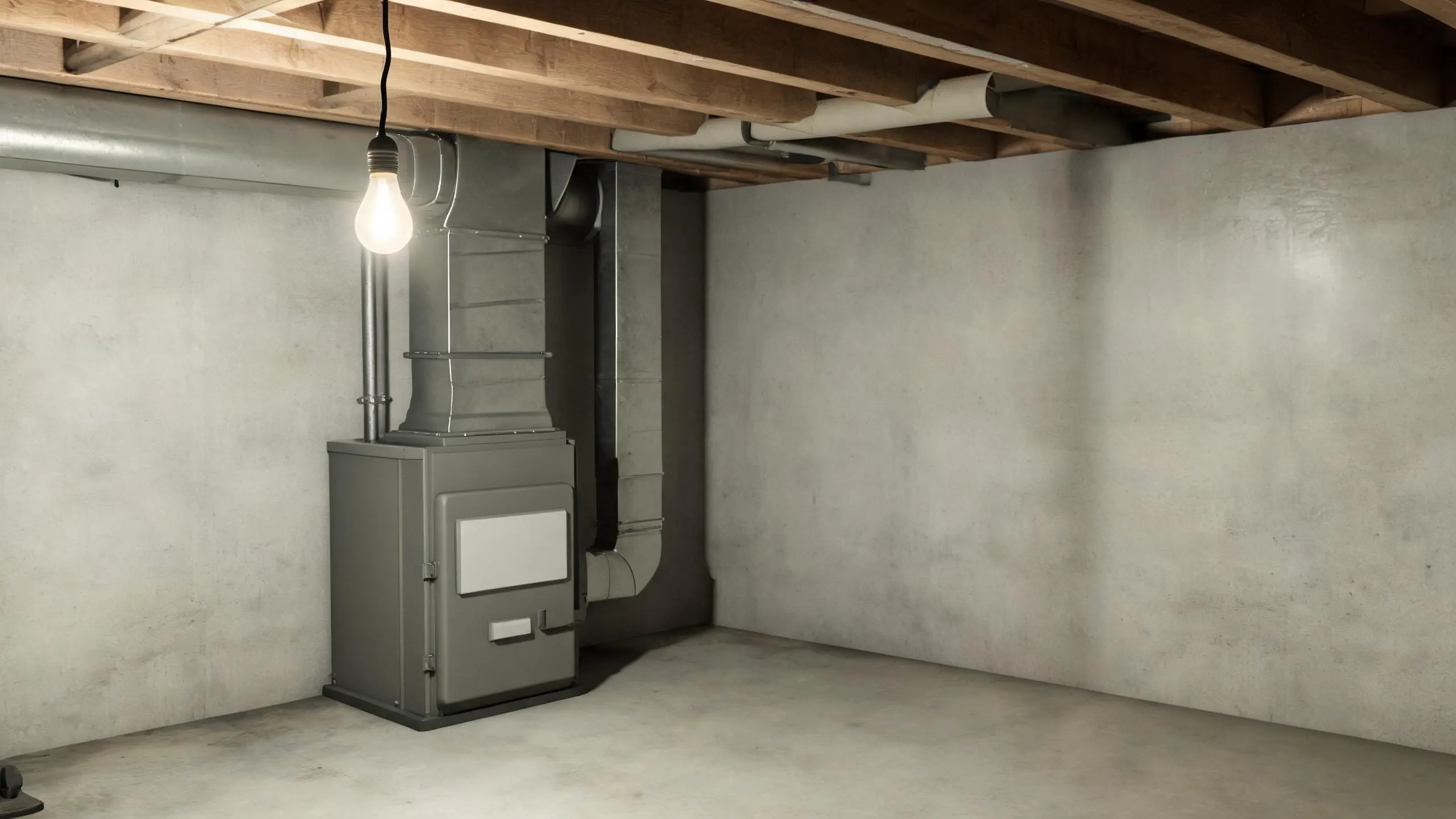
Eleven months of work, most winters below freezing
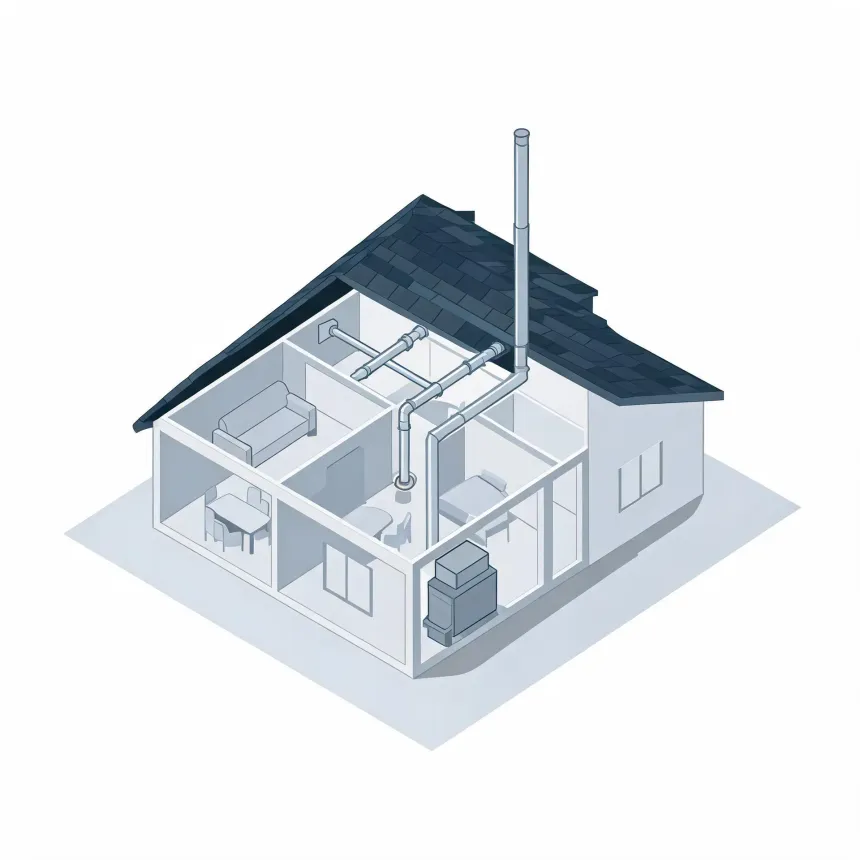
Your furnace runs from October through April here, and your air conditioner picks up June through September. That is 11 months out of the year with one system or the other working. Winter nights average 26°F from December through February, cold enough that the furnace cycles on and off for hours at a stretch, and each start puts wear on the igniter and the ignition control board. Summer afternoons average 86°F, which keeps the compressor and the capacitor that starts it under load most of the day.
Boyd County has logged 12 winter storms and 49 damaging wind events over the past ten years, and in 2024 nearly a quarter of Kentucky households lost power for at least 24 hours. A furnace or air conditioner that loses power and comes back on usually restarts fine on its own, but a hard freeze or a wind event can knock out a run capacitor or a control board even after the power is back.
- 7 months
- October through April, your system heats
- 4 months
- June through September, it cools
- 26°F
- the average winter night it heats against
- 86°F
- the average summer afternoon it cools against
NOAA nClimDiv, 1991–2020 normals
Kentucky requires HVAC contractors to hold a state license.
The state license comes from the Department of Housing, Buildings and Construction. It means the contractor was tested and is on record with the state before they take on any job. The license covers the contractor as a whole, not this particular repair, so there is no separate sign-off for the work happening at your house.
Because Kentucky licenses at the contractor level, that license is what stands behind the person working on your heating and cooling system. Whether it is the furnace side or the air conditioning side of the job, the same license accounts for both.
Sources: Kentucky Legislative Research Commission · Kentucky Department of Housing, Buildings and Construction
- Why is my heat not working?
- Start with the thermostat. Make sure it is set to heat and set a few degrees above room temperature, and check that it has power or a fresh battery if it uses one. If the thermostat looks fine, check the breaker for the furnace and the switch that looks like a light switch near the unit, since that shuts the furnace off for service and is sometimes bumped by accident. A furnace that runs but never gets warm, or shuts off after a few minutes, points to something like the igniter or flame sensor, and that calls for a contractor to look at it. With nights here averaging 26°F in winter, it is worth getting a furnace that will not start looked at right away rather than waiting.
- Why is my system running but not cooling the house?
- Check the air filter first. A filter clogged with dust blocks airflow across the coil, and when that happens the coil can ice over and stop cooling the air even though the system keeps running. Check the outdoor unit too, and clear away any leaves, grass clippings or debris around it, since it needs open air to release the heat pulled from inside the house. If the filter is clean and the outdoor unit is clear but the air coming from the vents is not cold, the system likely needs a contractor to check refrigerant levels or the compressor.
- What can I check before calling for HVAC repair?
- Check the thermostat settings and battery, the breaker for the unit, and the furnace's power switch, since these cause a real share of no-heat and no-cool calls. Check the air filter and replace it if it is visibly dirty, since a clogged filter can stop a system from heating or cooling properly. Look at the outdoor unit if you have one and clear away anything blocking it. If you have checked these and the system still is not heating or cooling, a licensed contractor will need to diagnose it, and in Kentucky that means someone holding a state license through the Department of Housing, Buildings and Construction.