
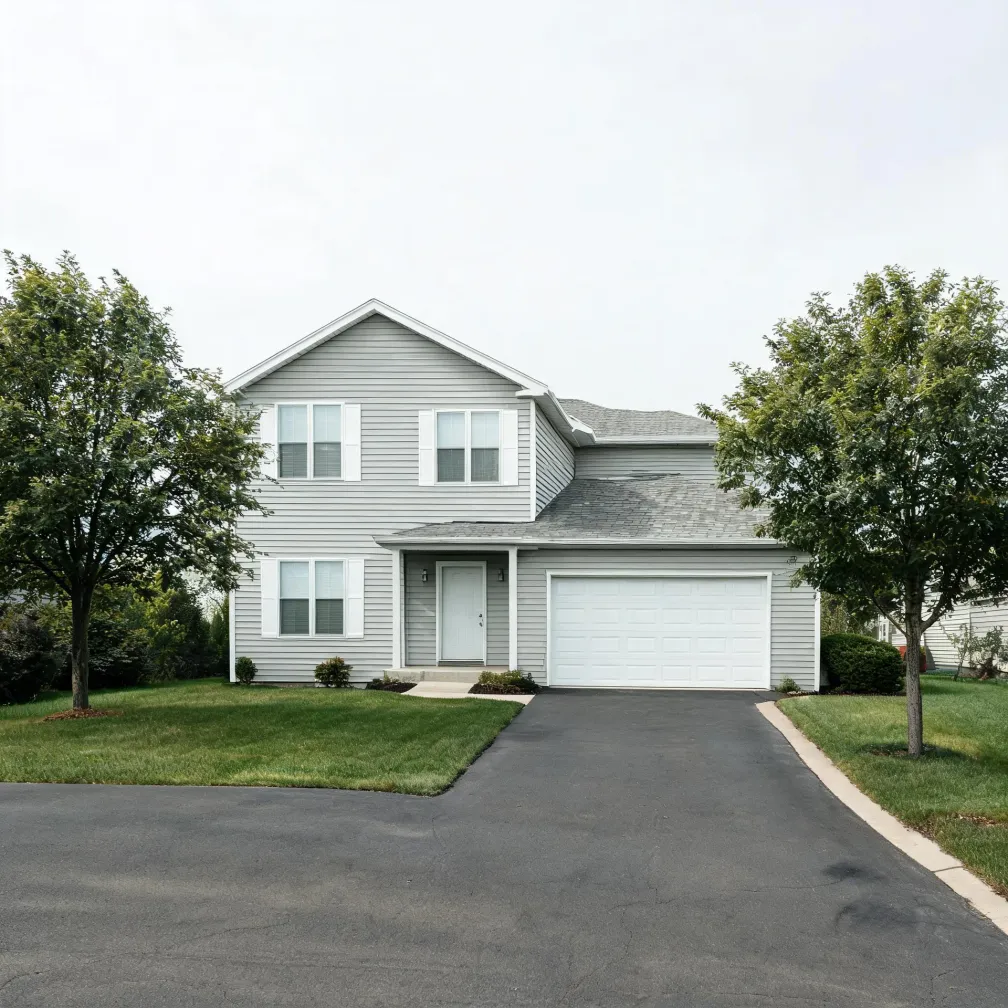
What Kentucky homes are up against.
NOAA National Centers for Environmental Information, Storm Events Database, bulk CSV export, events 2015-01-01 through 2024-12-31. · U.S. Census Bureau, 2020-2024 American Community Survey 5-Year Estimates

A furnace here does not get much rest. Homes in Kentucky run heat about seven months a year, from October through April. That kind of stretch means the igniter, the heat exchanger and the blower motor cycle on and off far more than they sit still, and a part that is starting to fail gets caught in the act rather than left to wait out a long idle spell. A weak igniter or a cracked heat exchanger shows itself early, because the system is asked to prove itself again within a day or two, not once a month.

Before any new furnace or air conditioner goes in, a contractor has to open up what is already there and see what it can take. The ducts might hold the static pressure a new system needs, or they might leak or run too narrow. The electrical panel might have the capacity for a new unit, or it might not. Half the homes in Kentucky were built in 1982 or earlier (2020-2024 ACS 5-year). That spread means a contractor cannot assume either way from a service call alone. The ductwork gets measured, the wiring gets checked, and the connections get tested, in every home, before anything is installed.
How does your Kentucky county compare on severe weather?
2015–2024 · Source: NOAA National Centers for Environmental Information, Storm Events Database.
An outdoor unit built for average conditions can still take a beating from wind, hail or a hard freeze. Equipment in a county with a heavier storm record faces more of that exposure over its lifetime. A homeowner there should have a contractor check where the outdoor unit sits, how securely it is anchored, and whether the cabinet or coil already shows signs of wear.
Kentucky requires HVAC contractors to hold a state license.
Licenses are issued by the Department of Housing, Buildings and Construction.
Sources: Kentucky Legislative Research Commission · Kentucky Department of Housing, Buildings and Construction