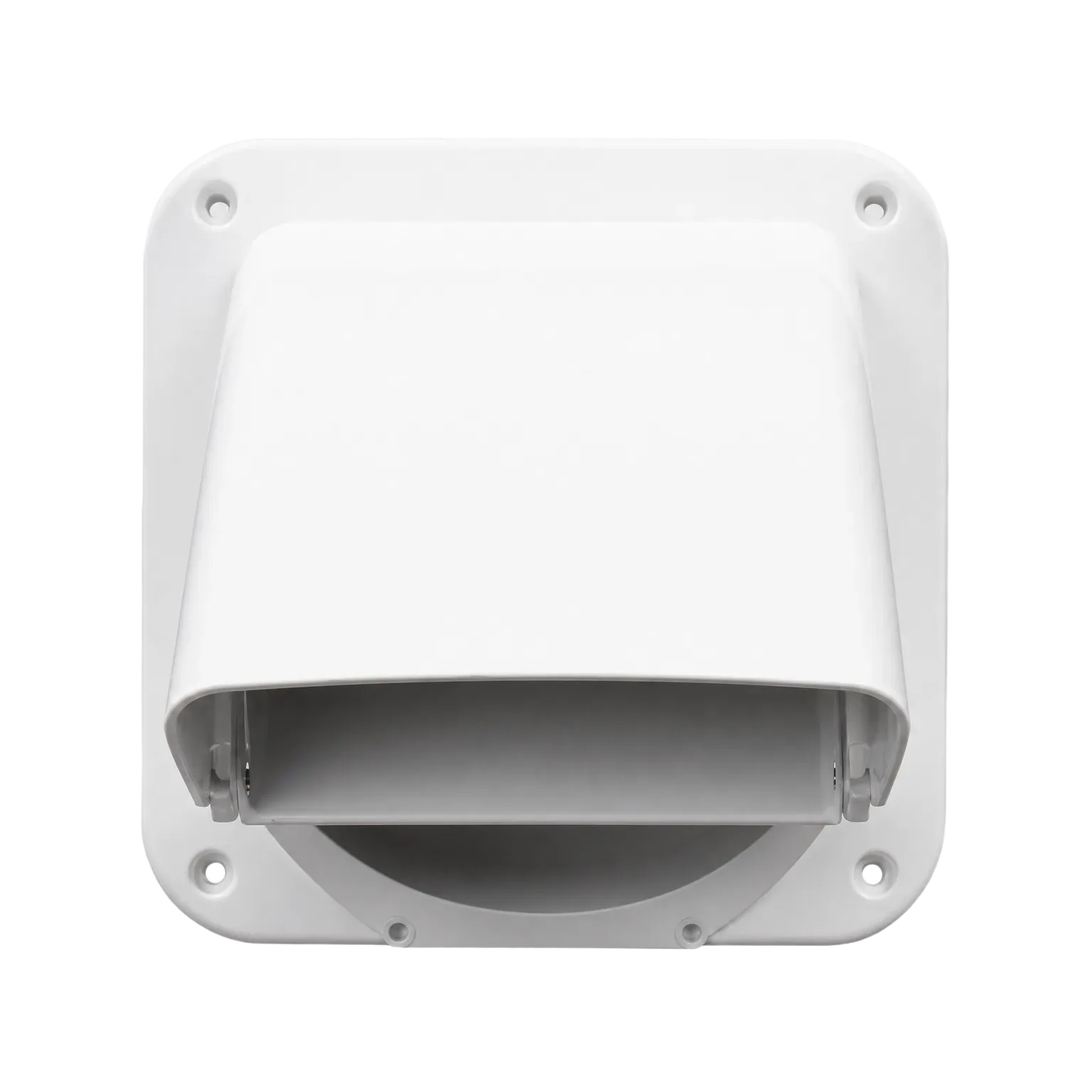

Vent clear and working
The flap hangs open when the dryer runs and swings shut when it stops. Air pushes out in short, strong puffs you can feel from a few feet away. No twigs, no feathers, no lint caught in the hinge.
Spring comes around and you notice chirping near the dryer, or lint and twigs caught at the vent hood outside. Maybe the dryer takes longer to finish a load than it used to. Birds, usually starlings or sparrows, look for small dark openings to build in once the weather warms, and a dryer vent hood sitting on the outside of your house is an easy target if the flap doesn't seal tight or sits propped open with lint.
Birds get into a dryer vent because the hood flap is stuck open, often from a buildup of lint that keeps it from sitting flush. A loose or missing flap leaves a dark, sheltered opening that looks like a good spot for a nest, especially in spring when birds are building. Once a nest is in there, the vent is partly or fully blocked, which means your dryer has to push air through a narrower path. Loads take longer to dry, the dryer runs hotter than it should, and lint that can't escape builds up behind the nest. A vent that stays blocked long enough becomes a fire risk, not just a nuisance, since dryers push out heat and lint together.




2.72 people per household on average
A household here runs 2.72 people on average, which means more loads of laundry through that same vent, and more chances for a bird to find it blocked and build anyway.
Half the homes here were built by 1996
Half the homes in Boone County were built in 1996 or earlier. If yours is one of them, check whether the vent hood or flap has ever been swapped out for a newer one that birds can't force open.
Power here costs 13.46 cents per kilowatt-hour
Power here runs 13.46 cents per kilowatt-hour. A blocked vent makes an electric dryer run longer to dry the same load, so a nest in there shows up on the bill before you ever see it outside.
ACS 2020-2024 · EIA-861 2025
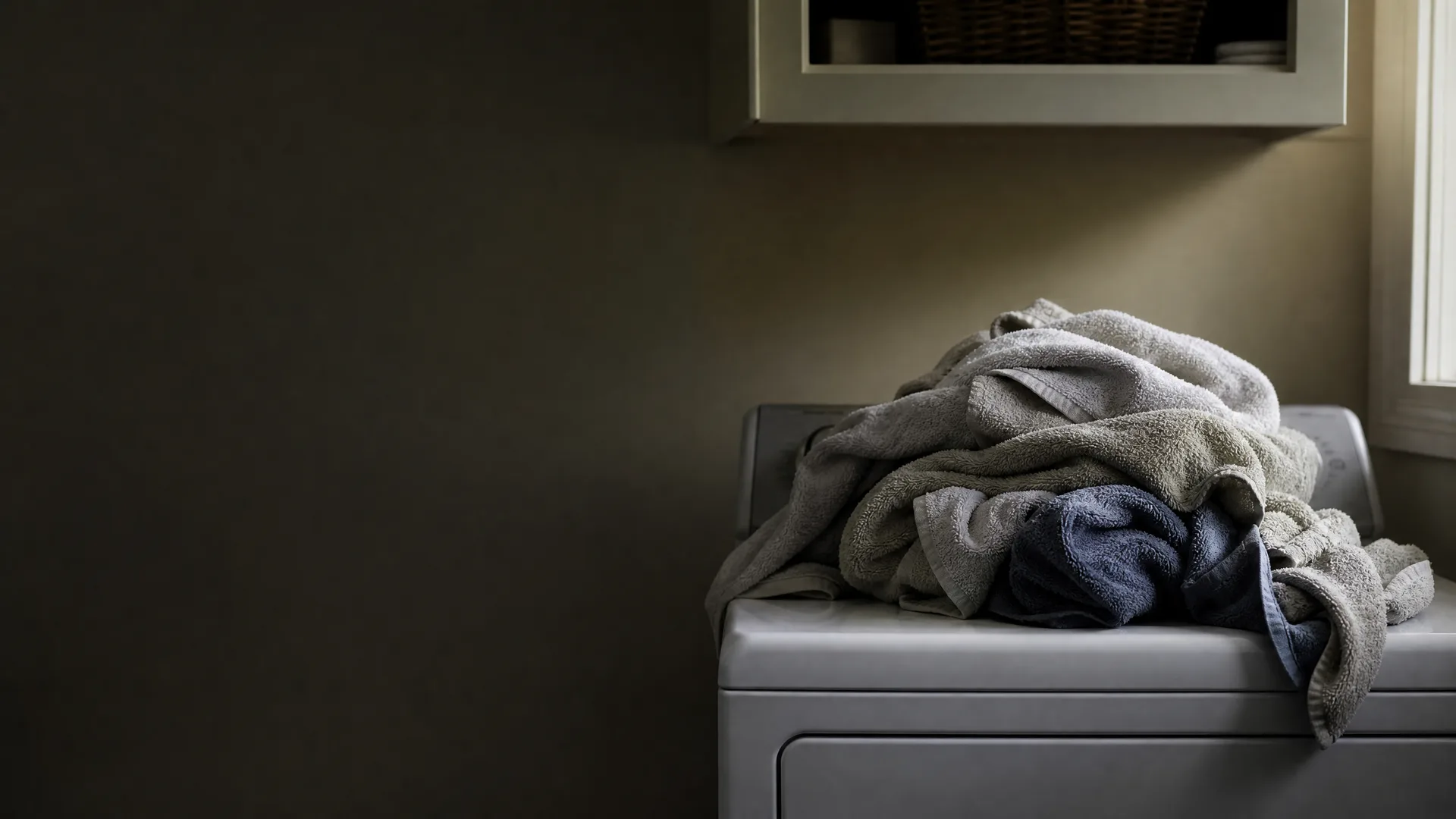
You're in the laundry room after work, a Tuesday in early spring, and the dryer's been running almost an hour on a load that usually takes forty minutes. You open the door and the towels are still damp, heavy and cool instead of warm. You reach around back to check the vent hose connection, and that's when you hear it, a faint scratching behind the wall, then a quick chirp. Through the window you can see the vent hood outside, and there's a stray piece of grass hanging out from under the flap. You stand there a second, towel in hand, figuring out what's nesting in your wall and how long it's been there.
Bird finds the vent hood open or the flap too weak to stay shut.
Nest gets built just inside, against the vent wall.
Lint keeps blowing through and catches in the twigs.
Airflow out of the vent drops with each load.


A bird nest in the vent is not something you clear with a vacuum hose or a trip to the hardware store. The vent run goes from the back of the dryer through the wall and out to the hood, and most of that is out of reach without pulling the duct apart or getting on a ladder to the outside vent. Someone who does this work in Boone County every spring knows where starlings tend to build, how to get the nest out without pushing it in deeper, and how to check the flap so it keeps the next bird out. One contractor gets your request, not five, so you are not fielding calls all afternoon trying to figure out who actually does this kind of cleaning. Send it and the search is done. That hour-long drying time and the damp towels are a problem with a known cause and a known fix, and getting it off your list today means fewer trips to check the vent hood and fewer loads that come out cold.
The vent hood on the outside of your house has a flap, louvered or spring loaded, that's supposed to stay shut when the dryer isn't running. That flap is the only thing keeping birds out. Once the spring weakens, or the flap doesn't seat right, a bird can push it open and get inside. Birds don't go looking for the back of the duct near the dryer. They stop at the first few feet, right behind the hood, because that spot is warm, dry, and out of the weather. That's where the nest gets built, and it's packed in with the usual materials: twigs, feathers, sometimes dryer sheets a bird pulled out of a previous load's lint. All of that catches the lint that comes through with every cycle, since lint that would normally blow clean out the hood now has something to stick to. A vent that's clear looks a certain way when the dryer runs. The hood flap swings open the whole time air is moving through it, then drops shut the second the dryer stops. If it hangs open, stays half shut, or doesn't move at all, something inside is blocking the airflow. The material the duct is made from matters too. Rigid metal duct can take a nest removal tool without much trouble. Flexible foil duct can collapse or tear under the same pressure, which turns a vent cleaning into a bigger repair.
With close to three people in most houses here, the dryer is running most days of the week, not once in a while. Every one of those loads pushes lint toward that same vent, and a nest already there catches more of it each time.
ACS 2020-2024
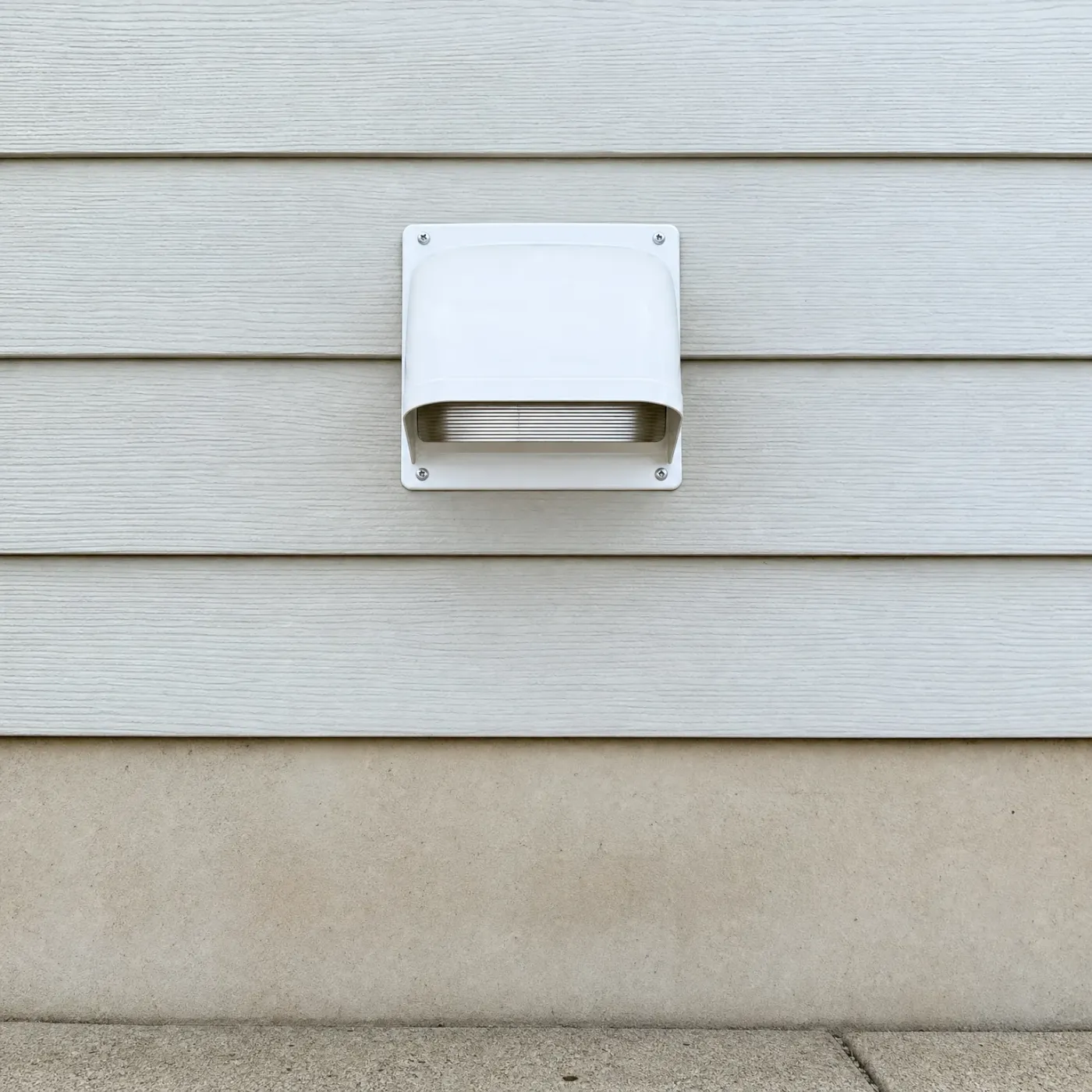
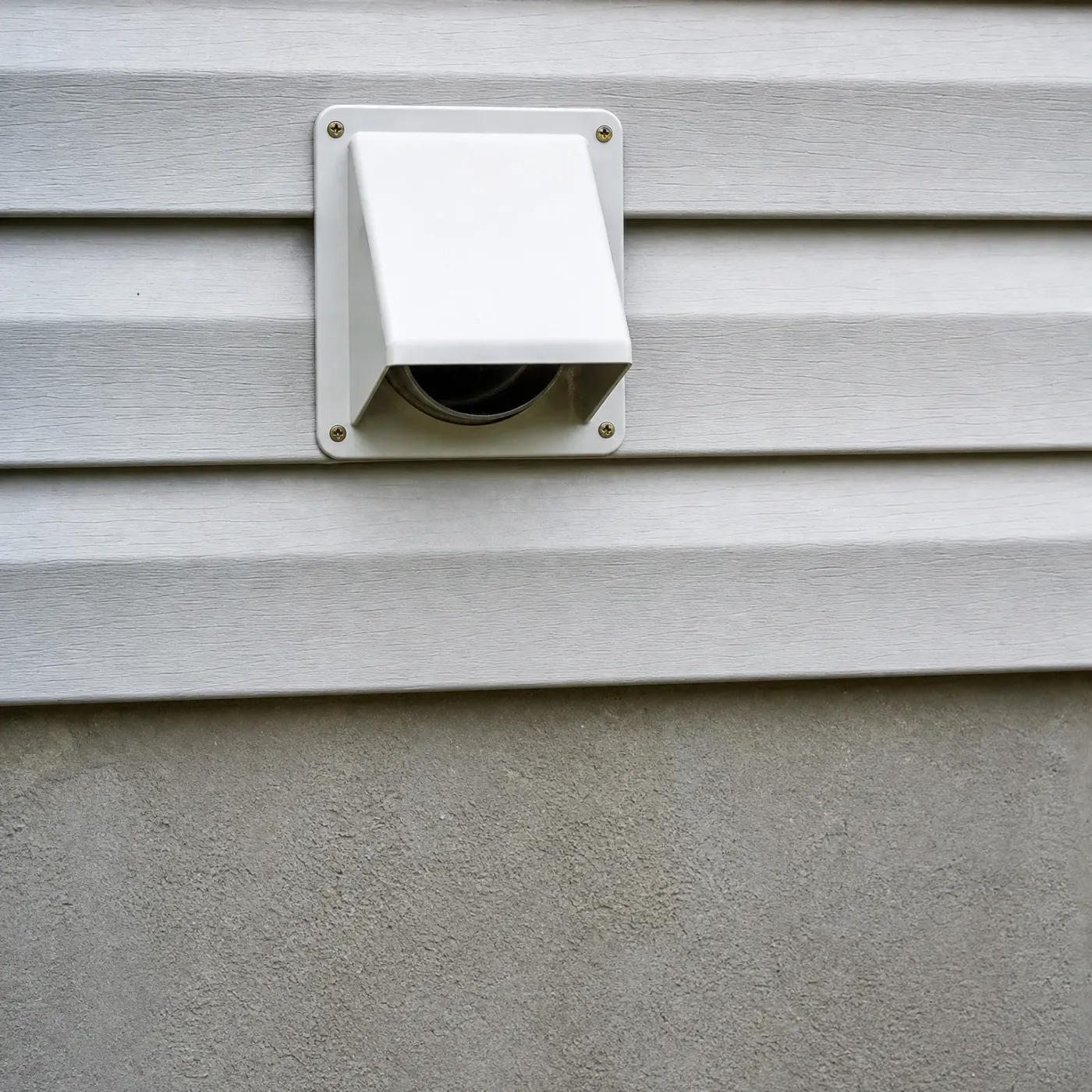
The flap hangs open when the dryer runs and swings shut when it stops. Air pushes out in short, strong puffs you can feel from a few feet away. No twigs, no feathers, no lint caught in the hinge.
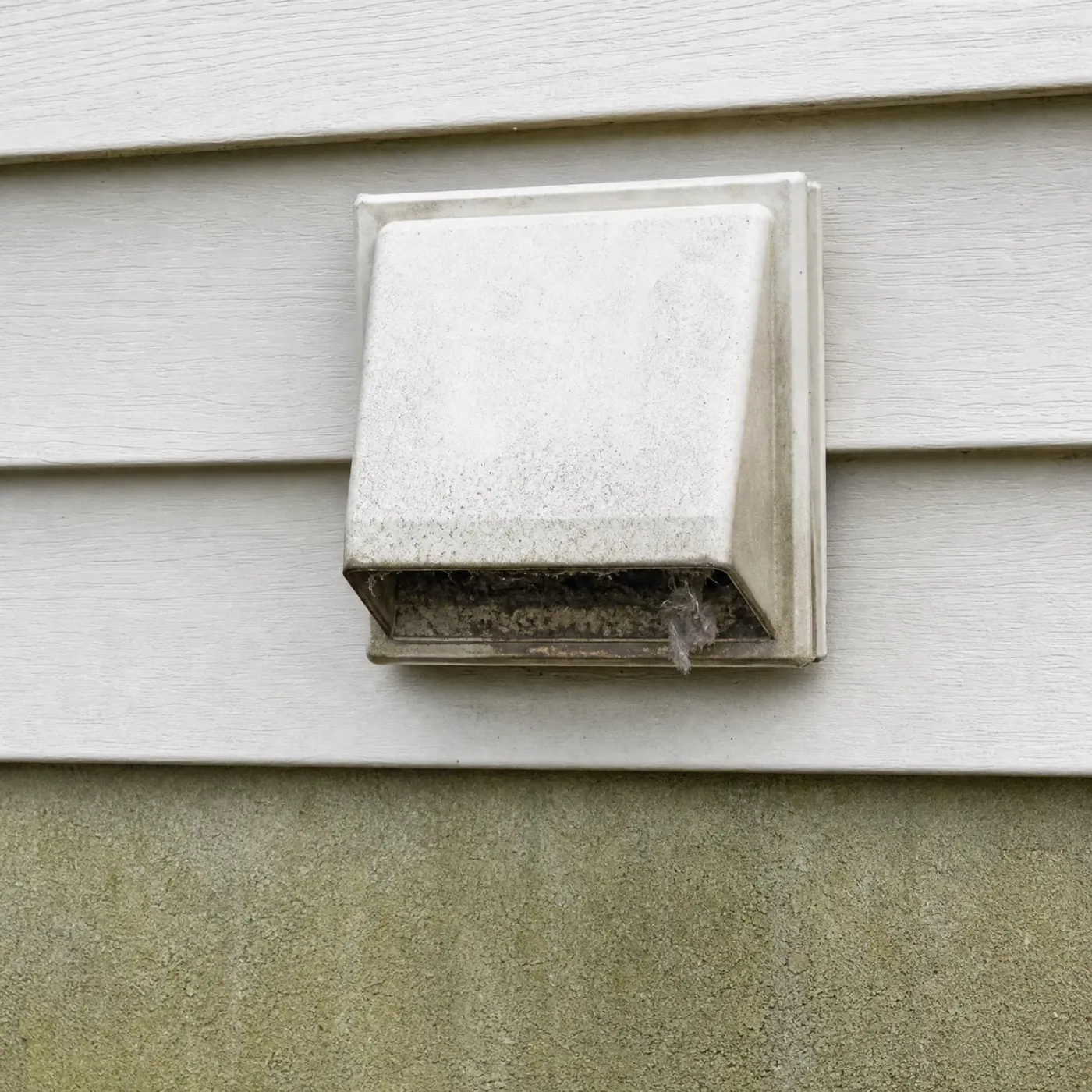
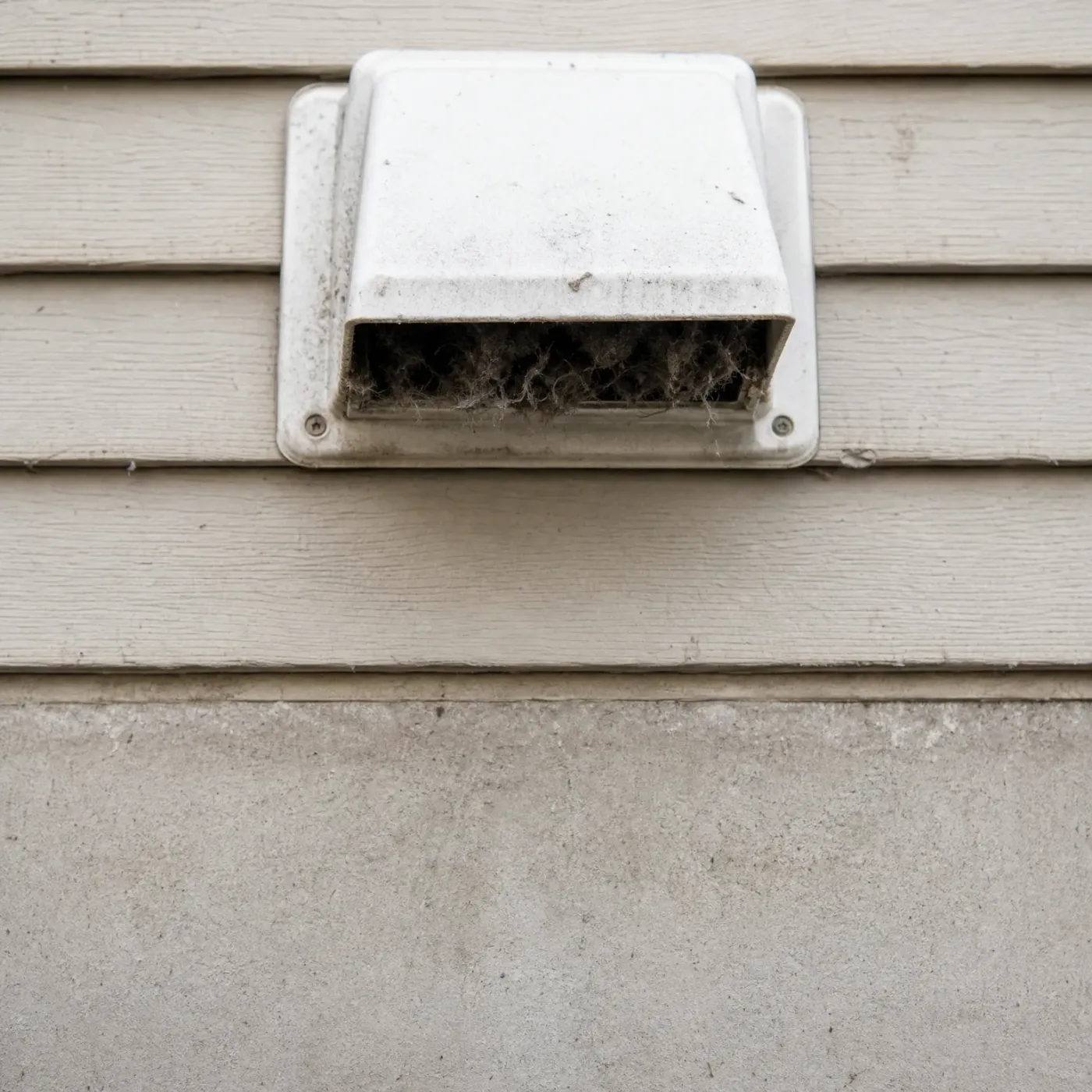
Lint sits packed against the flap with nowhere left to go. The opening stays part shut even with the dryer running, and what pushes through comes out weak and slow instead of in a strong puff.
A bird nest in the vent is a problem with a clear fix. The vent gets cleared, the flap gets checked, and the dryer goes back to pushing air outside the way it was built to. That is the whole answer. What you've read here is enough to tell you whether this is what's happening at your house, and if it is, it's not something that gets better on its own with the weather or a lighter laundry load. Someone who works on vents like this around Florence and the rest of Boone County every spring knows which birds do this, how far into the duct they usually build, and what a flap needs to keep them out next year. You'd be working with one contractor, local to this area, not a handful of companies competing for the job. That means one visit, one person who already knows what they're looking at before they pull the vent apart, instead of explaining the problem over and over to different people.

Finding a pro stops being your job