
Dryer Vent Cleaning in Nicholasville, KY
Tell us about your home, and a licensed contractor who covers Jessamine County will get in touch.
Tell us about the job
It takes about a minute.

Cold vents catch more lint
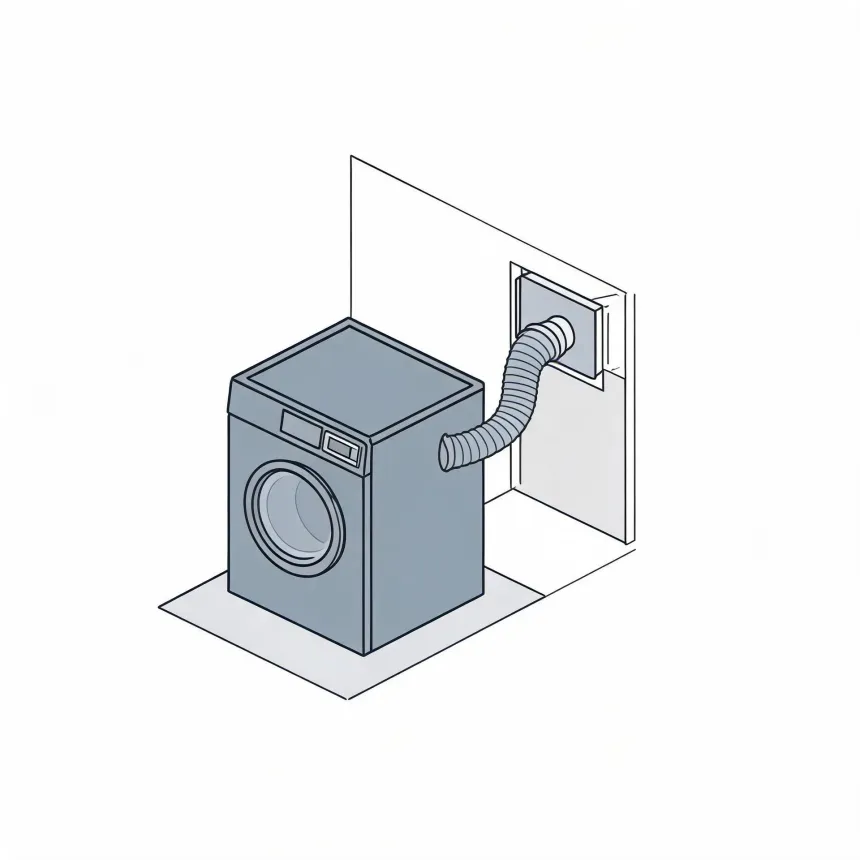
Every load sends warm, damp air out through the vent. On a night that averages 27°F, that air cools fast once it hits the metal, and the moisture in it beads up on the walls of the duct. Lint sticks to a damp surface far more than it does to a dry one, so the buildup packs in tighter through the seven months a year your house needs heat.
A vent that is choked with lint cannot push air outside the way it should. That means longer dry times, a dryer that runs hotter than it needs to, and a duct that is holding onto exactly the kind of material that should not be sitting in a warm, enclosed space.
- 27°F
- the average winter night, and cold vents catch damp lint
- 7 months
- October through April, the vent stays cold
NOAA nClimDiv, 1991–2020 normals
- How often should a dryer vent be cleaned?
- Once a year is enough for most homes. If you run big loads often, or your vent run is long or has a lot of bends, it needs a look more often than that. A vent that takes longer to clear lint from is one that needs more frequent attention, not less.
- Can I clean my dryer vent myself?
- You can clean the part you can reach, but that is usually not the whole job. Pulling the dryer out and vacuuming behind it, and clearing the outside hood, gets the easy lint. The lint that builds up inside the wall or roof run needs a brush and rod long enough to reach the far end, which most homeowners do not have on hand.
- What are the signs of a clogged dryer vent?
- Clothes that take two cycles to dry when one used to be enough is the clearest sign. Others are a dryer that runs hot to the touch, a burning smell, or the outside hood flap barely moving when the dryer runs. Lint showing up around the door seal, instead of only in the trap, is another sign the vent isn't clearing it out like it should.