
Furnace Installation in Madisonville, KY
A new furnace here will run from October through April every year. Tell us about the house, and a licensed contractor who covers Hopkins County will get in touch.
Tell us about the job
It takes about a minute.
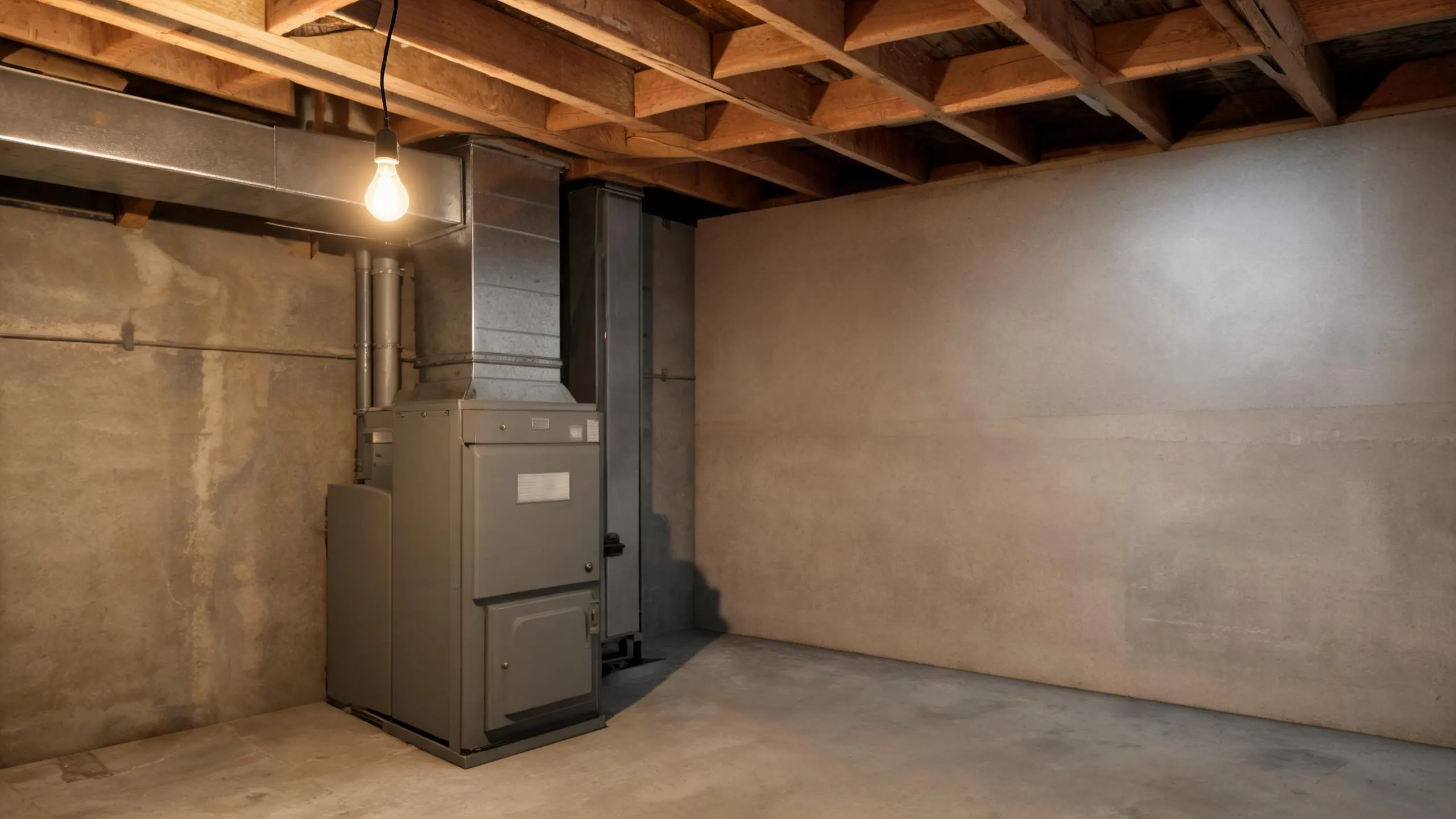
Madisonville asks a lot from a furnace
Homes here need heat from October through April, seven months of the year. Winter nights average 29°F, so a new furnace has to hold up to a long stretch of cold, not just the occasional cold snap.
Any non-weatherized gas furnace made after November 19, 2015 has to reach at least 80 percent AFUE, so that's the floor to expect on a new install. Power matters too. Hopkins County has seen 13 winter storms and 68 damaging wind events over the past ten years, and last year nearly a quarter of Kentucky households lost power for 24 hours or more. Close to half the homes here heat with electricity, which makes a furnace that can handle an outage worth thinking about when you're choosing one.
- 7 months
- October through April, your furnace is on duty
- 29°F
- the average winter night it heats against
- 80% AFUE
- the federal minimum any new unit must meet
NOAA nClimDiv, 1991–2020 normals
Kentucky requires HVAC contractors to hold a state license.
The state license is issued to the contractor as a business, not to each job it takes on, so the same license covers this furnace installation and every other job that contractor runs in Kentucky. It comes from the Department of Housing, Buildings and Construction, which is the record to check if you want to know whether a contractor holds one.
For a furnace install, the license tells you the contractor is on the state's books. What checks the work itself is the local permit and inspection process. In most cities and counties in Kentucky, putting in a new furnace requires a permit from the local building office, and an inspector looks at the completed work before the job is considered closed.
Sources: Kentucky Legislative Research Commission · Kentucky Department of Housing, Buildings and Construction
- What size furnace does my house need?
- The right size depends on your square footage, your insulation, your ceiling height, and how many windows you have facing north. A contractor works this out with a load calculation, not a chart based on square footage alone. Too big a furnace short cycles and wears out early. Too small and it will run all through those 29°F nights from December through February and still not keep up. Have a contractor measure your house rather than guess from the last furnace that was in there.
- How do I know it's time to replace my furnace?
- Watch for longer cycles, uneven heat between rooms, or a furnace that used to keep up and now can't through the cold nights here. Repairs that keep coming back are another sign, especially on an older furnace. If the heat exchanger is cracked, that's not a repair, that's a replacement. It's the part that keeps combustion gases out of the air in your house. With homes here needing heat from October through April, a furnace that's struggling now will only get worse as the season goes on.
- Is a high-efficiency furnace worth it?
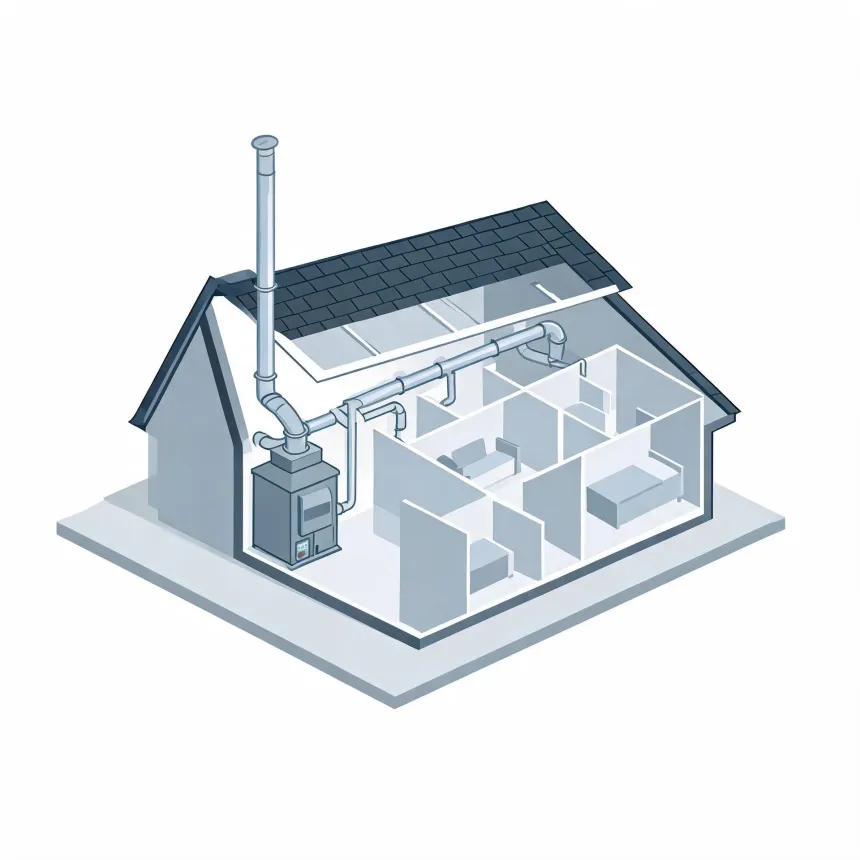
- Any new furnace installed today has to reach at least 80.0 percent AFUE, so the question is really about going higher than that. A higher-efficiency furnace burns less gas for the same heat. With 7 months of heating a year here, that adds up over the life of the unit. The tradeoff is venting. High-efficiency furnaces vent through PVC pipe rather than a metal flue, which changes what the installation involves. A contractor can walk you through what fits your house and price out both options.