
Mini Split Installation in Madisonville, KY
A new system here will heat from October through April and cool from May through September every year. Tell us about the house, and a licensed contractor who covers Hopkins County will get in touch.
Tell us about the job
It takes about a minute.
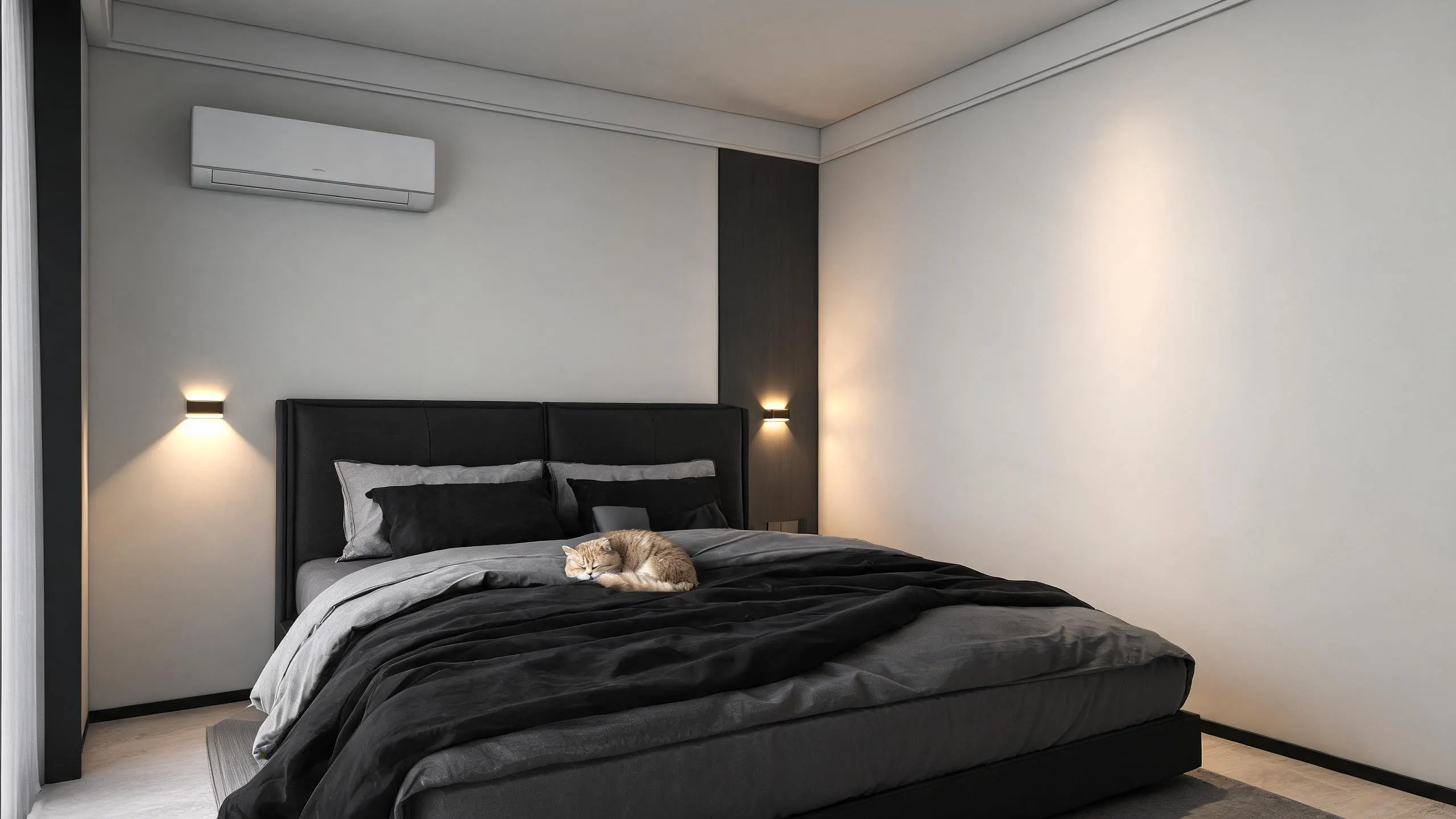
A mini-split here runs almost year round
Hopkins County needs heat or cooling every month of the year, seven months of heat from October through April and five months of cooling from May through September. A mini-split installed here has almost no season off. It has to hold up on winter nights that average 29°F and summer afternoons that average 87°F.
Any mini-split installed new has to clear the federal minimum for a split-system heat pump, 14.3 SEER2 for cooling and 7.5 HSPF2 for heating. That's the floor, not a feature to shop for. Almost half the homes here heat with electricity, so how a heat pump handles a cold night matters more than it would somewhere milder. The county has also logged 13 winter storms and 68 damaging wind events over the past ten years, and close to a quarter of Kentucky households lost power for at least a day in 2024. Worth knowing before you decide where the outdoor unit goes and what it needs to run on.
- 7 months
- October through April, your system heats
- 5 months
- May through September, it cools
- 29°F
- the average winter night it heats against
- 87°F
- the average summer afternoon it cools against
NOAA nClimDiv, 1991–2020 normals
Kentucky requires HVAC contractors to hold a state license.
Kentucky's Department of Housing, Buildings and Construction issues that license, and it tests and keeps records on the contractor, not on any single job. So the license tells you the person doing your mini-split install has passed the state's exam and has an active record with the state. It does not get reissued or checked job by job. It covers the contractor as a whole.
For a mini-split install, that license is the main thing standing behind the work, but it is not the only check. Most cities and counties in Kentucky require a permit for this kind of installation, along with an inspection once it is done. That inspection is where the local building office looks at the completed work, separate from anything the state license covers.
Sources: Kentucky Legislative Research Commission · Kentucky Department of Housing, Buildings and Construction
- Is a mini split worth it?
- For the right room or addition, yes. A mini split heats and cools one space without ductwork, so it works well for a converted garage, a sunroom, or a bonus room the main system does not reach well. Here, that space needs heat from October through April and cooling from May through September, so it is earning its keep most of the year. Whether it makes sense for your house depends on the space and what you are trying to fix, and a contractor can walk through that with you.
- How many rooms can a mini split cover?
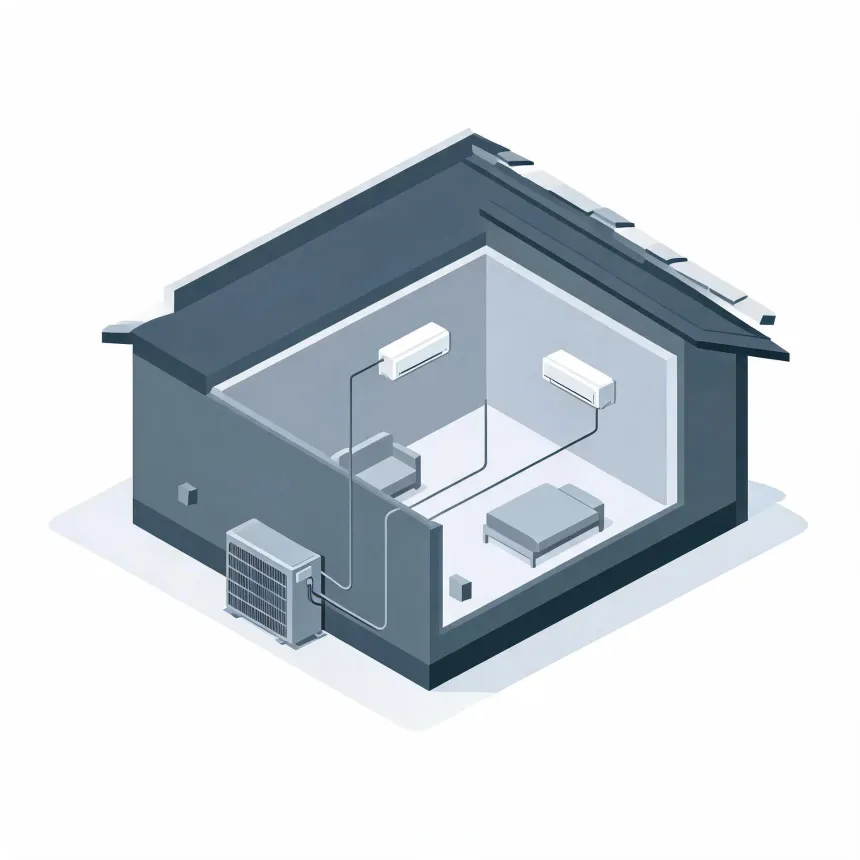
- One indoor unit covers one room or one open area well. If you need to cover several rooms, a multi-zone system lets one outdoor unit run several indoor heads, each with its own thermostat. Every room you add is another indoor unit and another zone the outdoor unit has to run, so a contractor needs to size the outdoor unit to match how many zones you actually want.
- Can a mini split heat a whole house?
- It can, with enough indoor units placed in enough rooms, but that is a different job than covering one or two spaces. A whole house setup means an indoor unit in most rooms, all tied to an outdoor unit sized to carry the load down to your coldest nights, which here average 29°F in December through February. That is worth sizing carefully with a contractor rather than guessing, since an undersized system will struggle on the coldest nights of the year.