
Furnace Installation in Somerset, KY
A new furnace here will run from October through April every year. Tell us about the house, and a licensed contractor who covers Pulaski County will get in touch.
Tell us about the job
It takes about a minute.
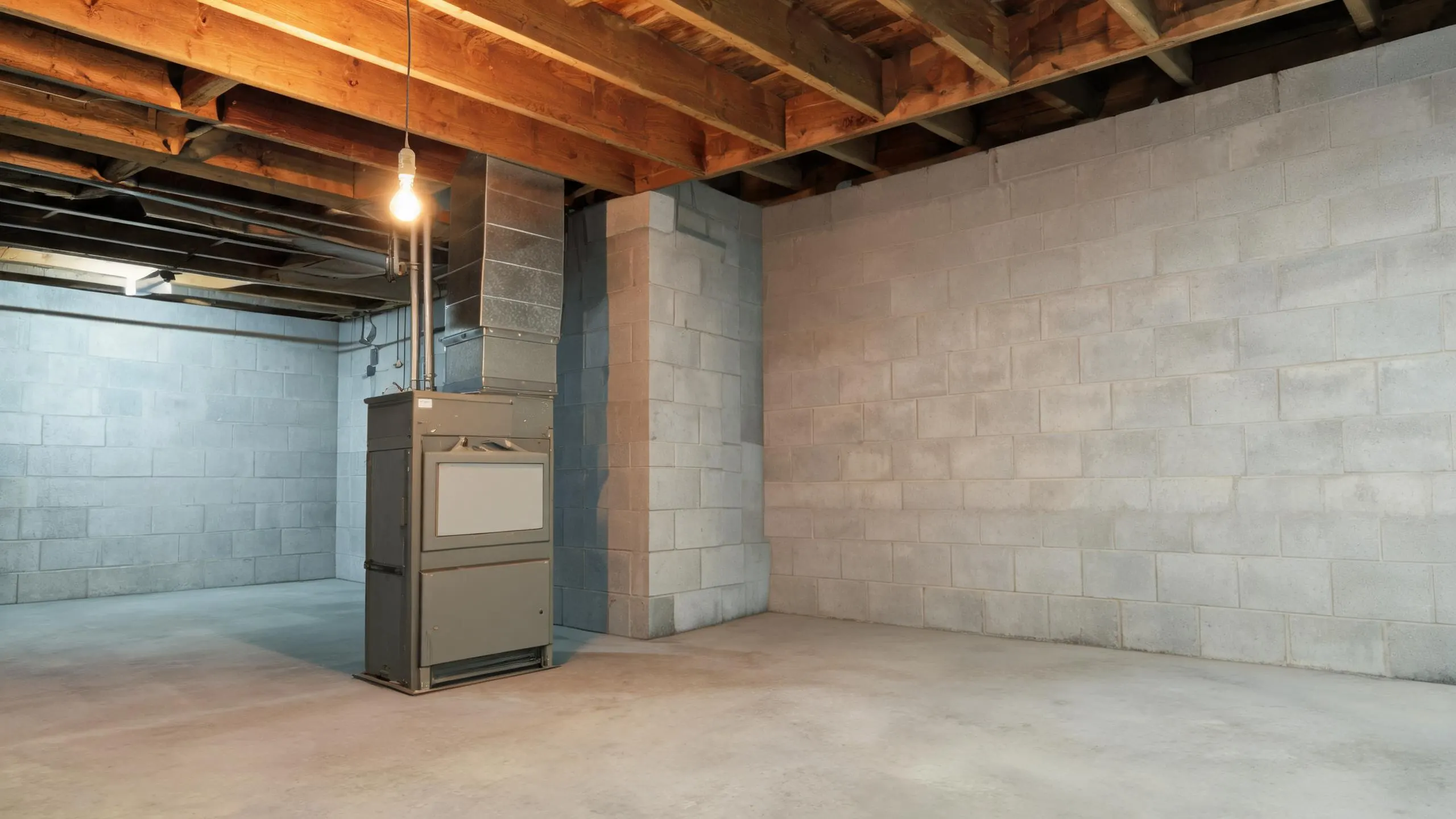
Somerset asks a furnace to work seven months a year
Winter nights here average 28°F from December through February, and homes need heat from October through April. That is seven months of the year your furnace has to be ready to run.
A furnace only helps if the power stays on to run it. Kentucky has seen 14 winter storms and 167 damaging wind events over the past ten years, and in 2024 nearly a quarter of the state's households went at least 24 hours without power. If you are putting in a gas furnace, federal rules now require any new non-weatherized model to reach at least 80 percent AFUE.
- 7 months
- October through April, your furnace is on duty
- 28°F
- the average winter night it heats against
- 80% AFUE
- the federal minimum any new unit must meet
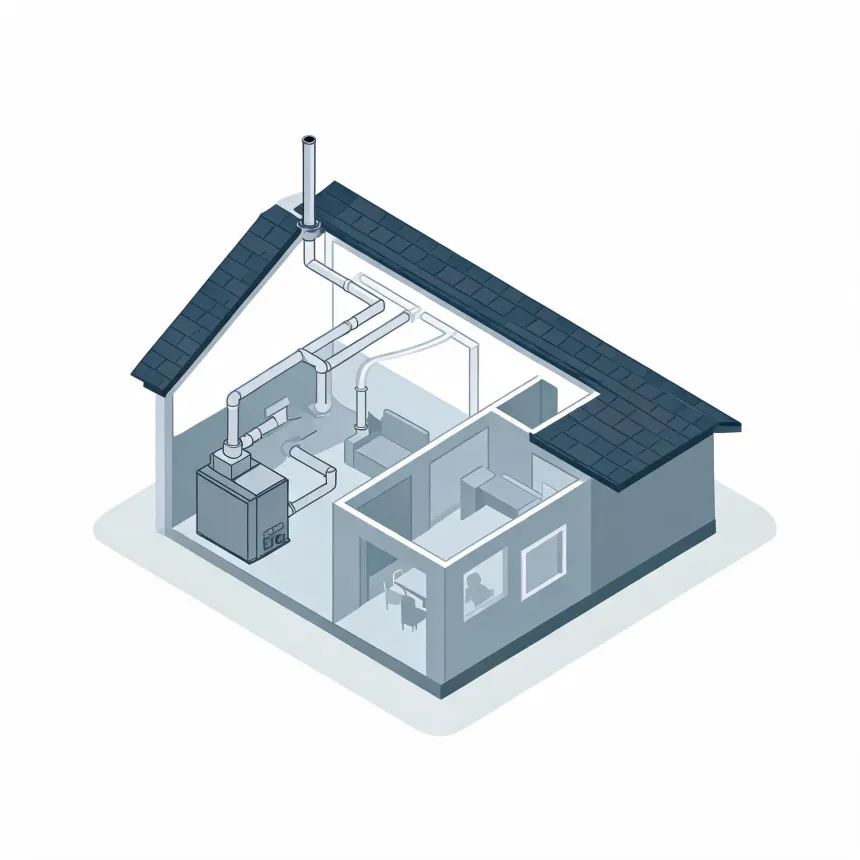
NOAA nClimDiv, 1991–2020 normals
Kentucky requires HVAC contractors to hold a state license.
Kentucky's license comes from the Department of Housing, Buildings and Construction, and it belongs to the contractor, not to any single job. That is different from a county sticker or a business registration on file with no testing behind it. The state has a record of who holds this license and who does not.
For the furnace going in at your house, that license is what stands behind the contractor doing the work. Most cities and counties in Kentucky also require a permit for a furnace replacement, with an inspection once the work is done. That inspection comes from the local building office, not the state license board, and it looks at the installation itself, the gas connection and venting included, rather than the contractor's record. Between the two, you have someone accountable for who they are and someone checking what they did in your house.
Sources: Kentucky Legislative Research Commission · Kentucky Department of Housing, Buildings and Construction
- What size furnace does my house need?
- A contractor has to measure your house to answer that, not guess from its square footage. Sizing a furnace right means walking through and looking at how much insulation you have, how many windows, your ceiling height, and how the place is laid out. A furnace that's too big will short cycle and wear out early. One that's too small will run constantly and still leave you cold on the coldest nights, and you'll see plenty of those here with winter lows averaging 28°F. Ask the contractor for a load calculation, not just a number based on your home's size.
- How do I know it's time to replace my furnace?
- Watch for uneven heat, rooms that never get warm, and a furnace that cycles on and off more than it used to. Rising repair bills are another sign, especially if you're calling someone out more than once a season. Age matters too, along with how the furnace has held up over the years. Homes here need heat from October through April, so a furnace that's struggling should get looked at before winter sets in for good. If yours needs attention every season, get a contractor to check it before it fails on a cold night.
- Is a high-efficiency furnace worth it?
- It depends on what furnace you have now and how you heat your home. Every non-weatherized gas furnace built since November 2015 already has to hit 80 percent AFUE, so if yours is newer, you're not starting from a low bar. Most homes here heat with electricity, not gas, and a high-efficiency gas furnace only makes sense if gas is already running to your house or you're planning to switch. A contractor can walk through your current setup and tell you what actually changes for your bills and your comfort.