
HVAC Installation in Shelbyville, KY
A new system here will heat from October through April and cool from May through September every year. Tell us about the house, and a licensed contractor who covers Shelby County will get in touch.
Tell us about the job
It takes about a minute.
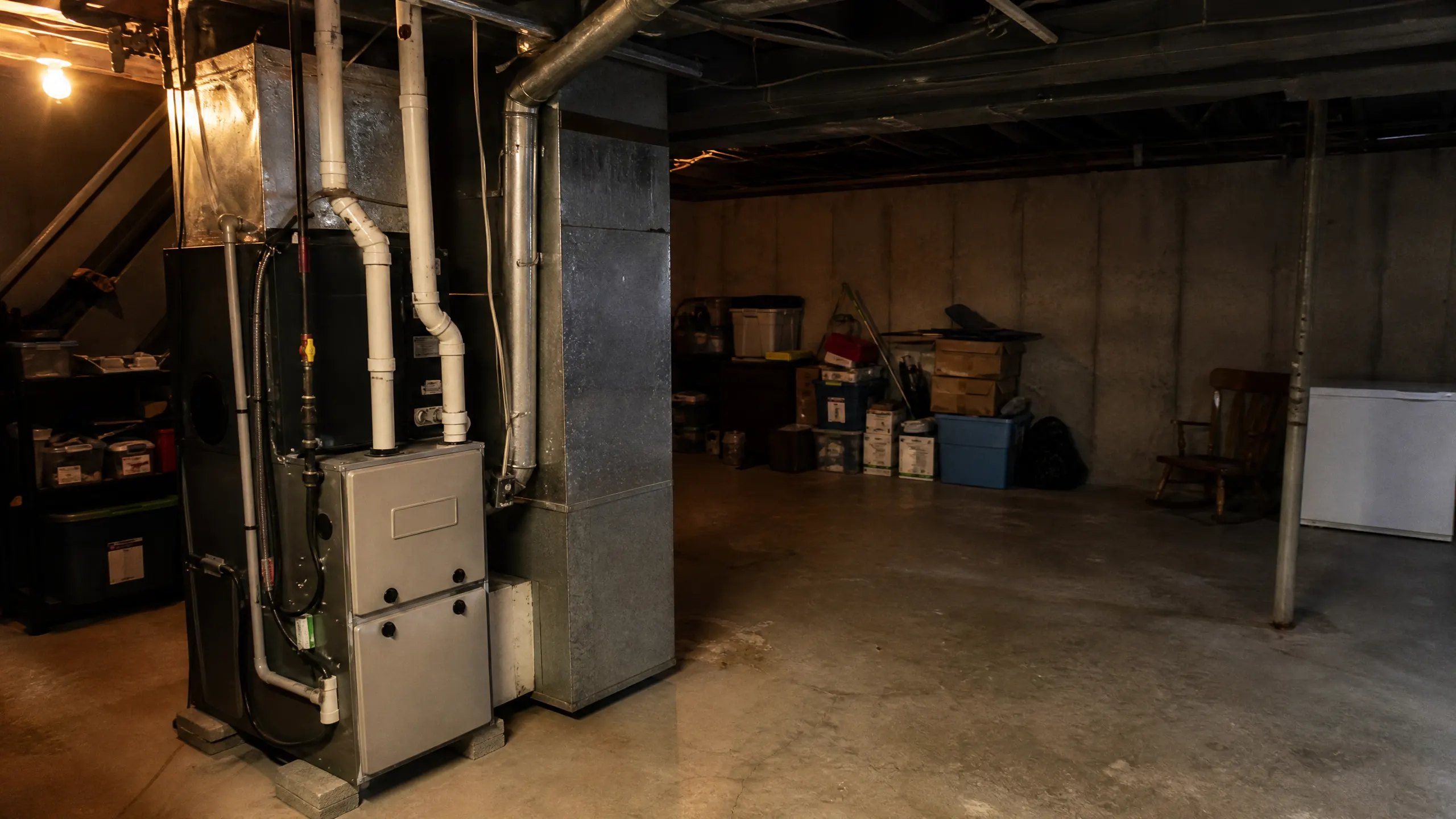
Shelbyville asks a lot of a heating and cooling system
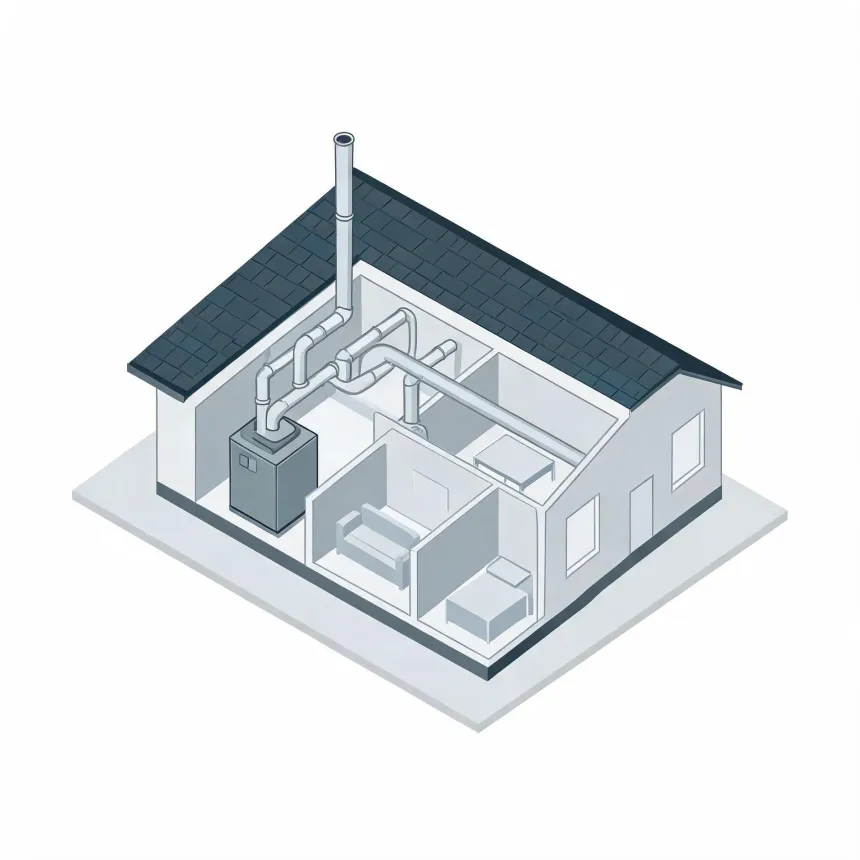
A new system here works almost every month of the year. Winter nights average 26°F from December through February, and the furnace or heat pump has to hold the house through all of it, October through April, seven months of heating. Summer afternoons average 85°F, and the same system switches over and cools the house from May through September. That is twelve months of one season or the other, with barely a gap between them.
Shelby County has seen 11 winter storms and 50 damaging wind events over the past ten years, and close to a quarter of Kentucky households went at least a day without power in 2024. Whatever gets installed should start back up on its own once power returns, without anyone having to reset it by hand.
- 7 months
- October through April, your system heats
- 5 months
- May through September, it cools
- 26°F
- the average winter night it heats against
- 85°F
- the average summer afternoon it cools against
NOAA nClimDiv, 1991–2020 normals
Kentucky requires HVAC contractors to hold a state license.
Kentucky's Department of Housing, Buildings and Construction issues that license. The license covers the contractor, not each job, so it travels with them from one house to the next rather than being tied to this installation alone.
For a heating and cooling installation, the license tells you the contractor is the one the state holds on record for this trade. What covers this particular job is the permit from the local building office, required in most cities and counties for a furnace and air conditioner installation, along with the inspection once the work is done. That inspection is where a bad gas connection or a wiring mistake gets caught before you are living with it.
Sources: Kentucky Legislative Research Commission · Kentucky Department of Housing, Buildings and Construction
- When should I replace my HVAC system?
- Replace it when repairs start happening every year, when the system is old, or when it can't keep up on the coldest nights or hardest summer afternoons. With 26°F winter lows and 85°F summer highs here, a system that struggles at either end is only going to fall further behind. If a contractor is already telling you a repair will cost a large share of what a new system runs, that's usually the point to stop patching it.
- Should I replace my furnace and air conditioner at the same time?
- If they're close in age, yes, it usually makes sense to replace them together. A furnace and air conditioner installed at different times wear at different rates, and pairing an old unit with a new one means the older one fails first anyway, often within a few years. Homes here need heat seven months a year and cooling five, so both sides of the system get real use and neither one is a spare part sitting idle.
- What happens during an HVAC installation?
- A contractor removes the old furnace and air conditioner or heat pump, sets the new equipment, and connects it to the ductwork, gas or electric line, and condensate drain. They'll also check that the ducts and thermostat match the new system before running it through a full cycle. In Shelbyville and most places nearby, this work needs a permit from the local building office, and an inspector checks it once it's done. That inspection is there to confirm the installation was done to code, not just that it turns on.