






Why your house is so dusty in Kentucky

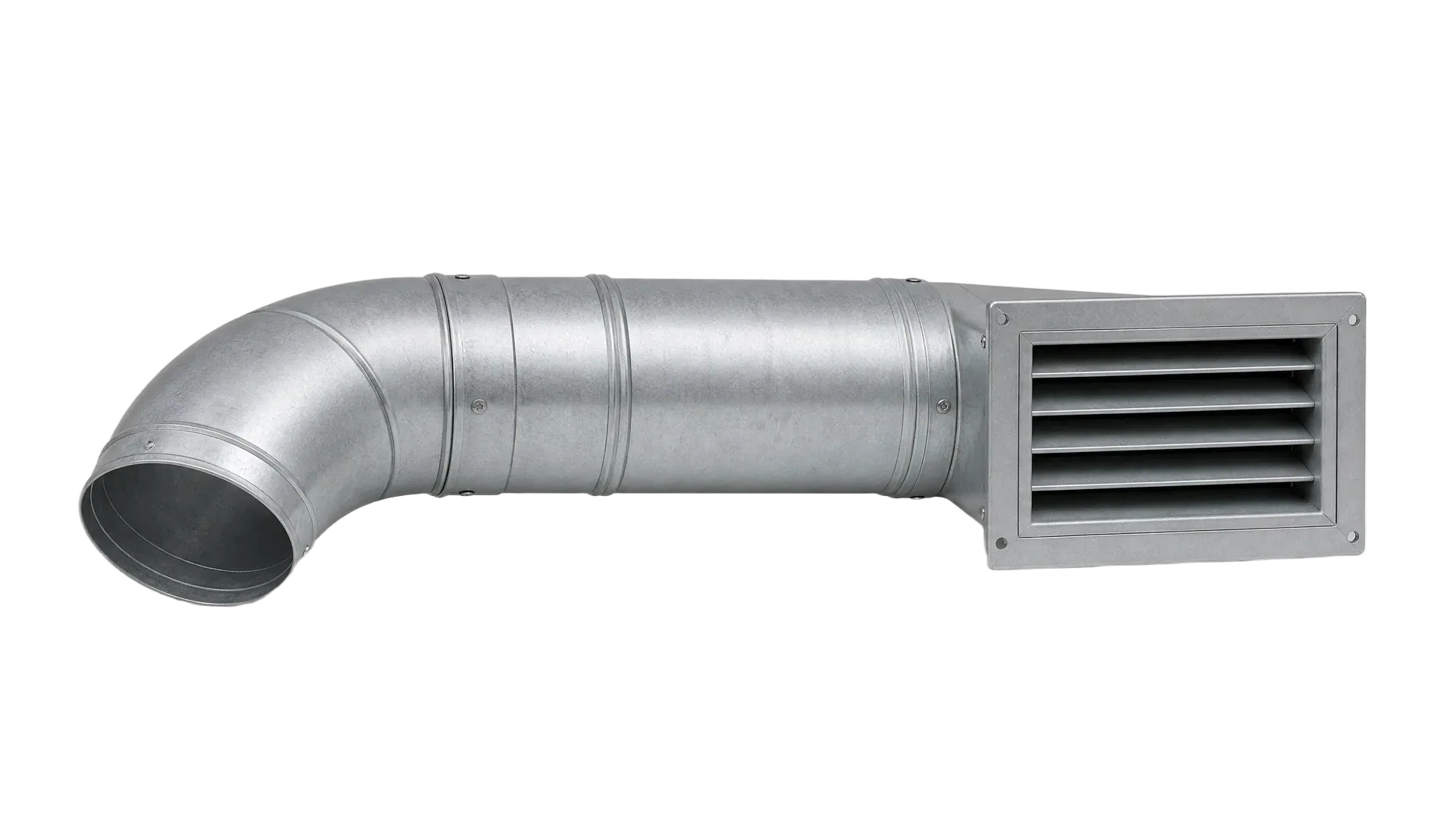
A galvanized metal round duct with a 90-degree elbow connected to a rectangular louvered vent grille, shown against a plain gray background.
I'm done searching

The dust is coming from your own ducts. Every time the furnace or air handler kicks on, air moves through the same metal trunk lines and branch runs, and any dust sitting in them gets pushed back into your rooms. In Kentucky that system runs almost nonstop. Summers here get sticky enough that the AC side is working for months, and most homes heat with electricity, so the blower is cycling on and off all winter too. With power cheap, people don't think twice about running the fan more, and more runtime means more air passing through dusty ducts and settling back on your furniture and floors. The filter catches some of it, but it only catches what passes through the filter slot, not what's already coated along the duct walls or sitting in the vents. Once that buildup is there, running the system more just stirs it loose again. Cleaning the ducts themselves is what actually clears it out.

A smiling man with dark curly hair in a dark green henley shirt sits on a light sofa in a living room with large windows, a lamp, shelving, a stone fireplace, and a bowl of popcorn in the foreground.
A smiling man in a dark long-sleeved henley shirt sits on a beige sofa in a living room, with a bowl of popcorn and a remote on the table in the foreground and shelves, a lamp, and a doorway behind him.
A smiling man with graying hair and stubble in a blue henley shirt sits on a gray sofa with cushions in a living room, with a bowl of popcorn on a wooden table in the foreground.
A smiling man in a dark green long-sleeve shirt reclines on a sofa in a dimly lit living room, with a bowl of popcorn on a side table in the foreground and a bookshelf, lamp, and houseplant behind him.

Your system doesn't know the difference between heating and cooling when it comes to dust. It just moves air, through the same trunk lines and branch runs, every time it kicks on. With electric heat and cheap power here, that's often. Air gets pulled in through the return vent, pushed through the blower, and sent back out through every branch in the house. The blower moves that air fast, fast enough to lift dust that's settled on the inside of the metal, not just what you'd find on the floor under a vent. Your filter only catches what passes straight through it. Anything that settles past the filter, in the trunk line or at a bend where a branch narrows, stays put until something cleans it out. Kentucky summers add another layer. The moisture that comes with sticky weather gets into the ducts too, and dust mixed with that moisture sticks to the metal instead of blowing on through. It builds there, then it moves, a little at a time, every time the system runs.

What's Moving Through Your Ducts

  • Electric furnaces and heat pumps push air through the same ductwork year-round, so dust settles in the same runs whether the system is heating or cooling.
  • A return vent pulls air from the room back into the duct system, and any dust near the grille gets drawn in along with it.
  • The blower moves air fast enough to lift settled dust off the inside of the sheet metal, not just what sits on the floor below a vent.
  • A filter only catches what passes directly through it, so dust that settles in the trunk line past the filter stays there until the ducts are cleaned.
  • Branch runs that bend or narrow slow the airflow enough for dust to drop out and build up at the bend instead of reaching the room.
  • Kentucky summers push moisture into the duct system, and dust mixed with that moisture sticks to the metal instead of blowing through.
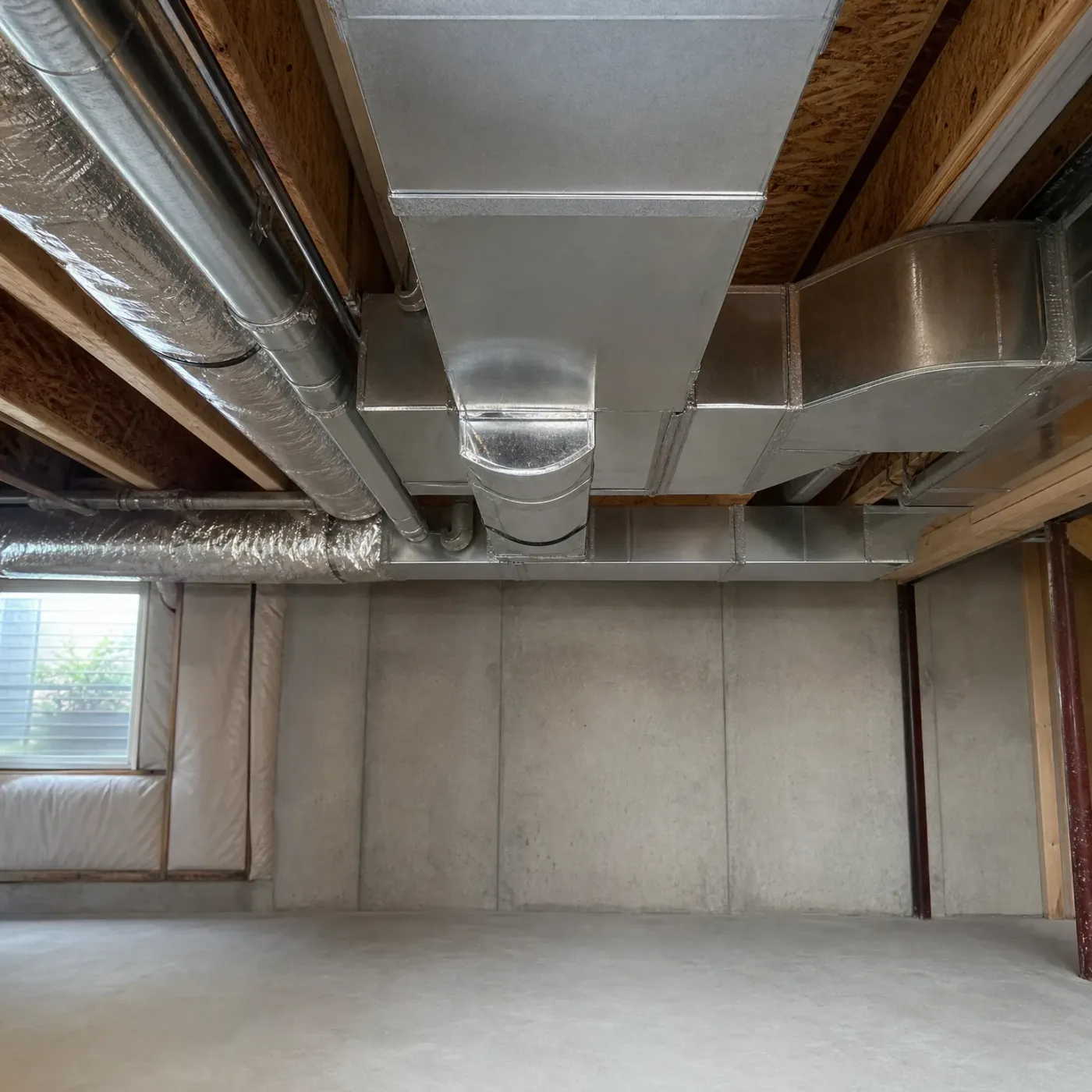
Empty unfinished basement with bare concrete walls and floor, showing galvanized sheet metal ductwork, insulated flexible duct, and pipes running along the wood-framed ceiling, with a small window at left.
Sealed runs like these move air without stirring up what collects at the seams and joints.
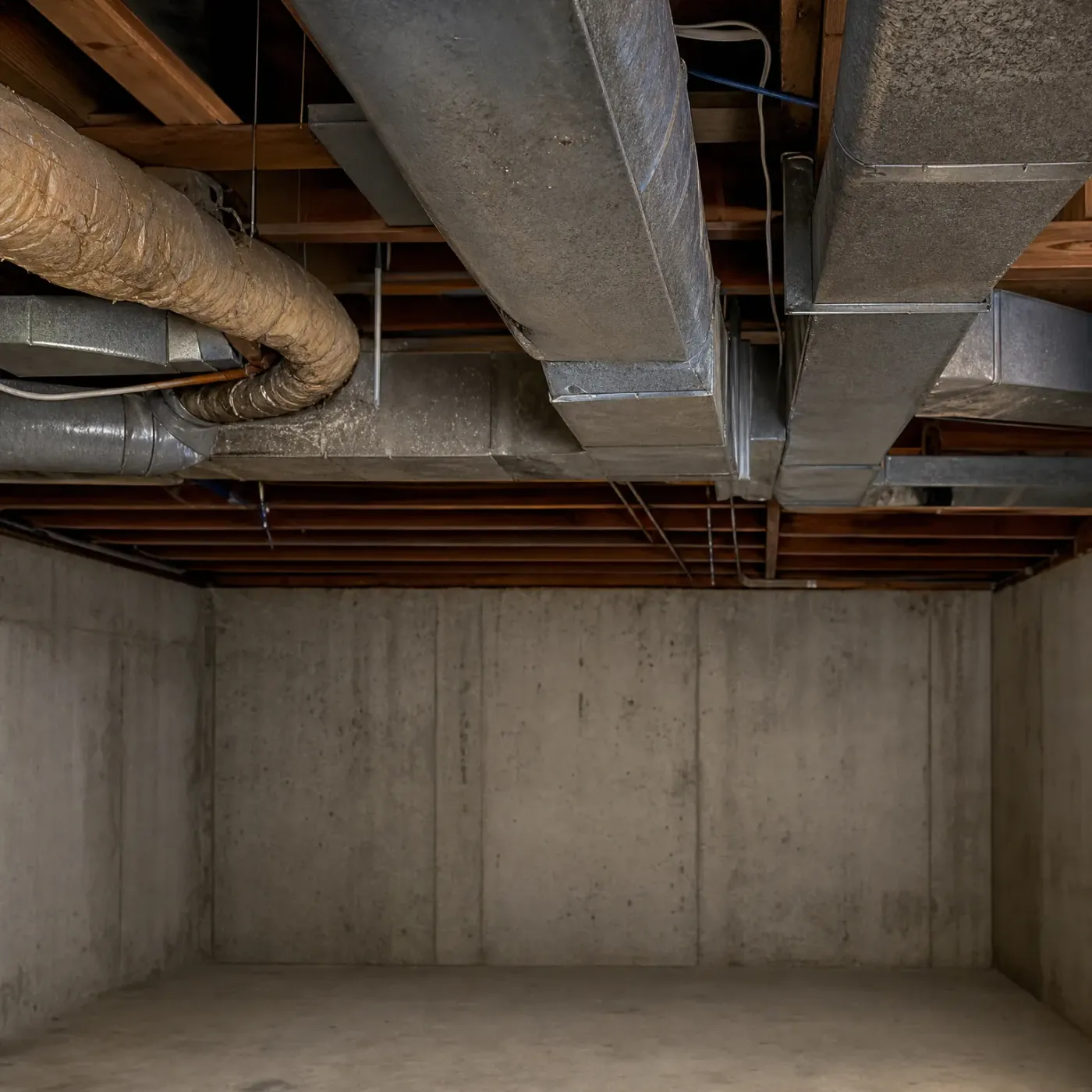
Empty basement room with bare concrete walls and floor, with exposed wooden joists, sheet-metal HVAC ducts, an insulated flexible duct, and pipes running across the ceiling.
Gaps and loose connections like these let ducts pull in dust from the basement itself.
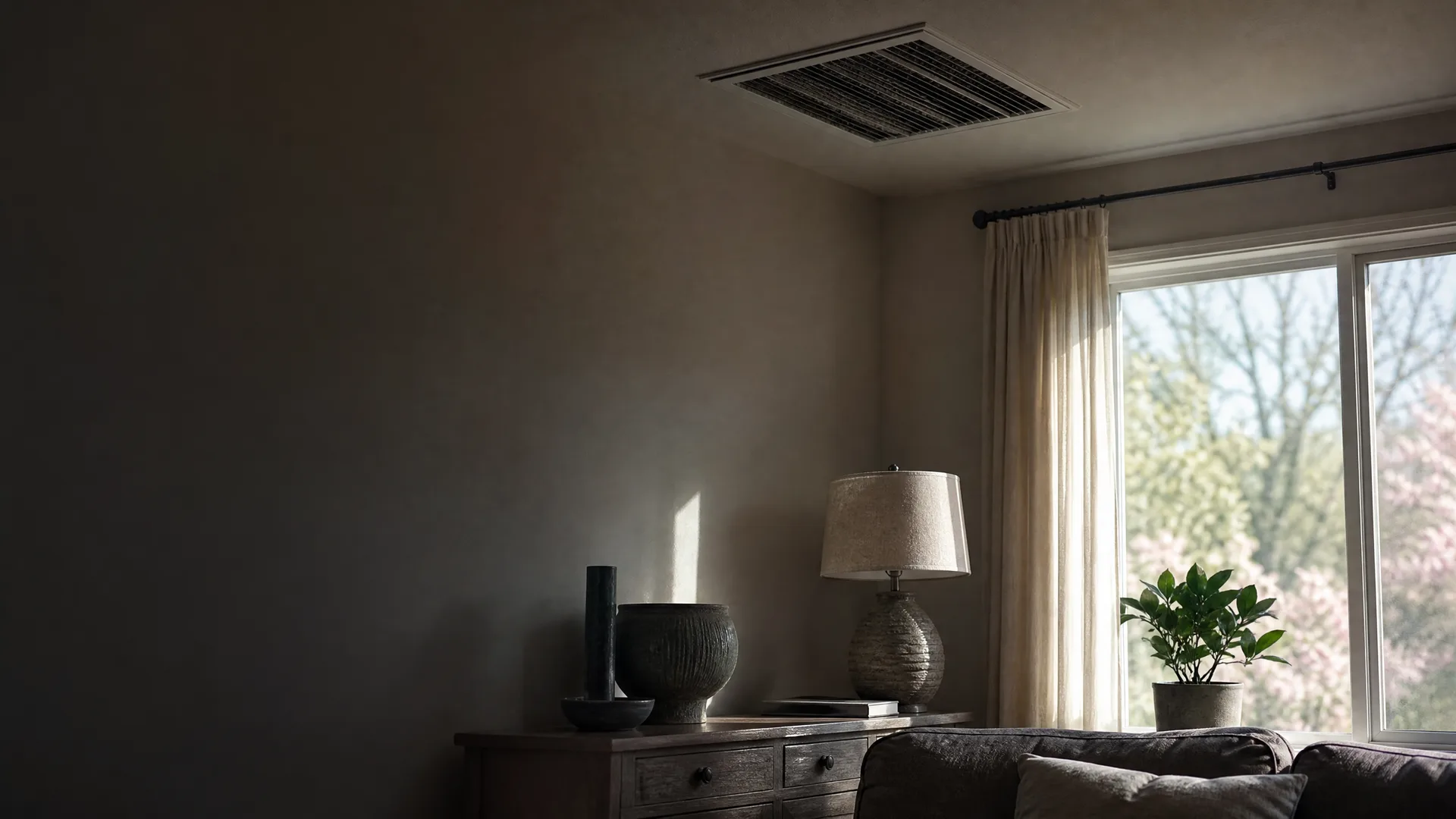
A dim living room corner with a ceiling air vent, a curtained window showing blossoming trees, a table lamp and dark ceramic vessels on a wooden dresser, a potted plant, and a sofa in the foreground.

It's a Saturday afternoon in late April and the windows are open for the first time in months. Light comes in low across the living room. You're on the couch and you notice the ceiling vent above the TV has a gray ring around it, and a thin film sits on the shelf underneath, on the frame of a photo, on the top edge of the remote. You wipe the shelf with your hand and it's dusty again by evening, after the furnace cycles twice while the house cools off from the afternoon sun. You haven't run the heat in days.

Why does your house need dusting every few days?

You notice it on the furniture first, a thin gray film back within two or three days of wiping it down. Dark marks show up on the carpet right under the vents, and if you run a finger along the inside edge of a grille it comes away gray. The air itself can feel heavier in a closed-up room, and some people notice more sneezing or a stuffy feeling by evening. None of this means your house is dirty. It means the ducts feeding every room are shedding what they've been holding onto, load after load, as the system cycles. Left alone, that buildup gives anyone with allergies or breathing trouble more to react to, and it keeps settling back on the same shelves no matter how often you clean them.

A woman with dark hair in a bun reclines on a gray sofa with her eyes closed and a slight smile, wrapped in a cream knit sweater and blanket, with an open book resting in the foreground and a lit lamp in the dim room behind.
A smiling bearded man in a dark crewneck sweater sits at a dinner table with a lit candle, glasses of wine and water, and plates of food in the foreground, with a lamp, framed art and a potted plant behind him.

Let someone else find the pro

Only one pro gets your request, so you hear from one company.

Asking costs nothing, and the choice to hire stays yours.

What the humidity adds

Kentucky summers get sticky, and a duct system fighting that moisture does more than move air. Damp air inside the ducts gives dust somewhere to stick instead of just passing through. That's how a dry layer of grit turns into the gray film you're wiping off the coffee table. The same ducts that carry cool air into your rooms are carrying whatever's settled on the inside of that metal, and the stickier the air, the more of it clings before it ever reaches the vent.
Electric heat moves air too

Most homes in Kentucky heat with electricity, and an electric furnace or heat pump still pushes air through the same trunk lines and branch runs as any other system. There's no flame and no flue, but the blower runs the same way, pulling air across whatever has settled in those ducts and pushing it back into the room. Cheap power here means that blower runs more, not less, so a duct system that's never been cleaned gets more chances to empty itself into your living room all year.

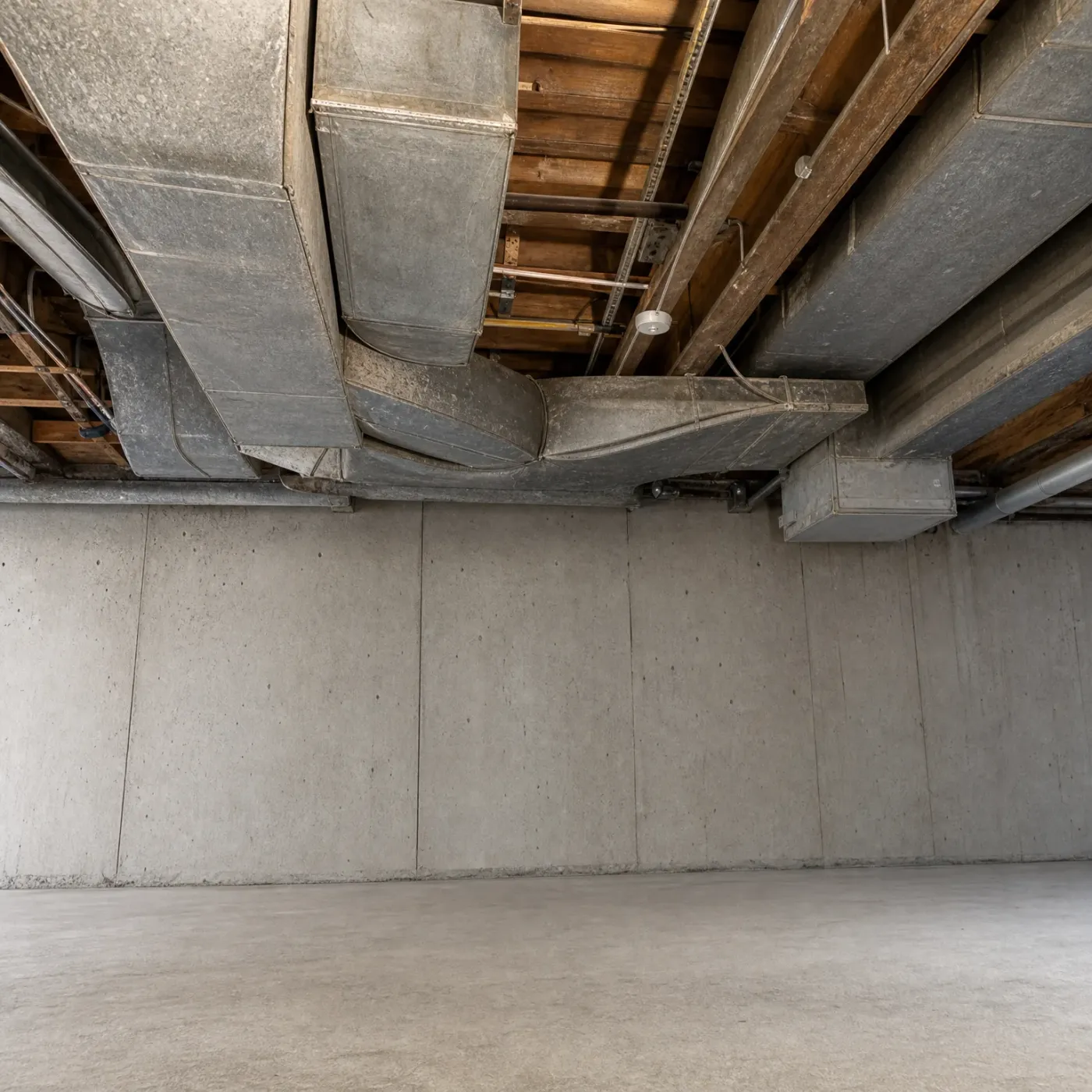
Empty basement room with bare concrete walls and floor, and an exposed ceiling of wooden joists with large galvanized sheet-metal ductwork and pipes.
Before you get your ductwork cleaning
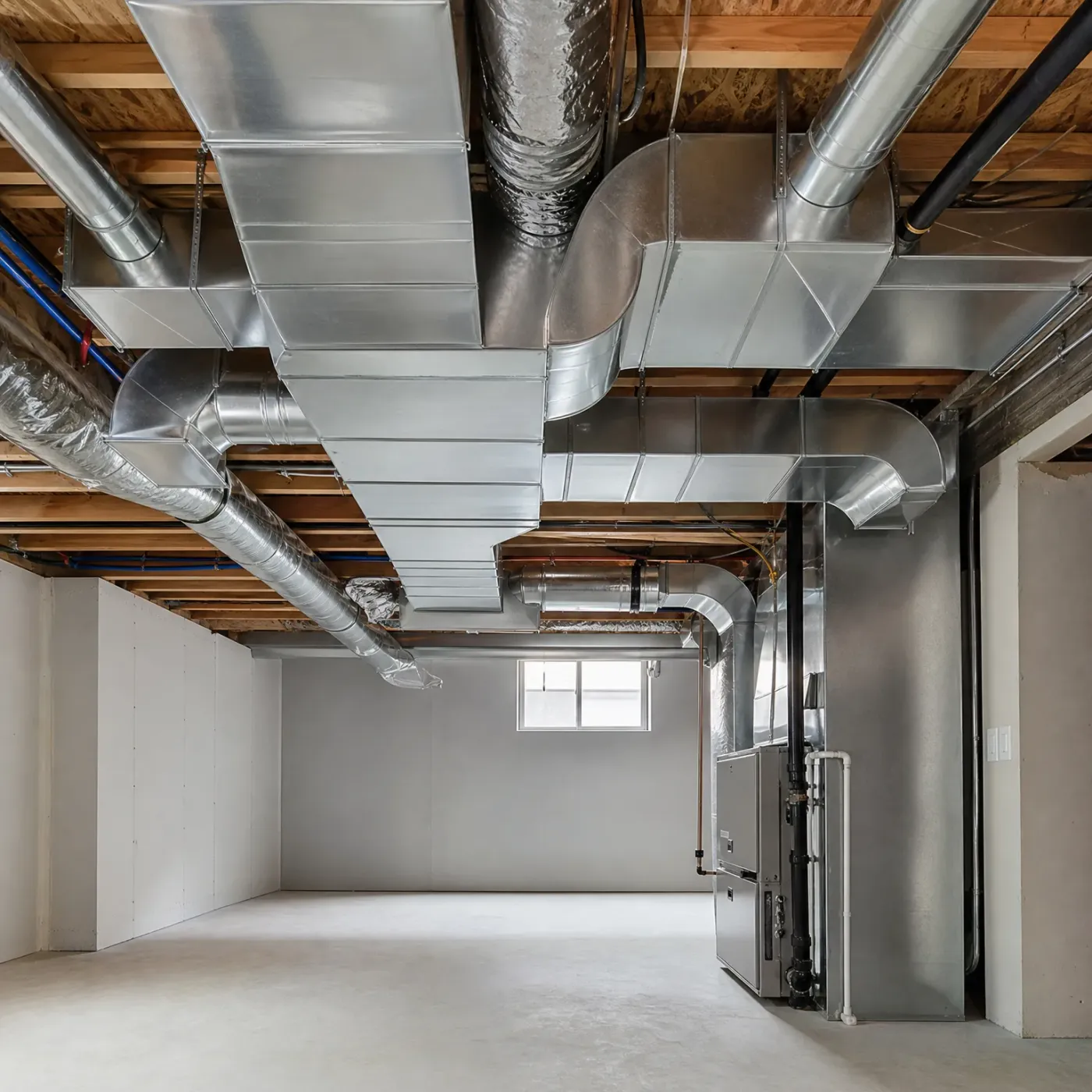
Unfinished basement with exposed wood joists, galvanized sheet-metal ductwork, insulated flex ducts, piping, a small window, and a furnace or air handler against a gray wall.
After you get your ductwork cleaning

Run the system harder to clear the dust and it only gets worse. More airflow through the same dirty runs just moves more dust into the rooms, faster.

Clean the ducts first and the same airflow stops carrying dust with it. The furnace and air handler keep running the same, but what comes out the vents is just air.

Power costs 13.13 cents per kilowatt-hour statewide

At 13.13 cents a kilowatt-hour, running an electric furnace or heat pump a few extra hours doesn't sting the way it might elsewhere. So most houses here just leave the system on longer instead of worrying about it, which means more hours of air passing through the same dusty ducts.

EIA-861 2025 statewide residential average

What the dust was telling you

  • Dust that comes back within days is a duct problem, not a cleaning habit problem.
  • Your electric furnace or heat pump has been pushing that dust through the same runs all year.
  • Sticky summer air gave the dust something to cling to instead of just passing through.
  • A local contractor who services this equipment all season knows which parts of a duct system collect the most.
  • Clearing the ducts out breaks the cycle, since the same airflow stops carrying dust once the runs are clean.
  • One contractor gets the job, so you're not fielding calls from several companies about the same request.

The film on your furniture and the ring around the vent both point to the same place. Your ducts have been holding onto dust and feeding it back into the house every time the system runs, and in Kentucky, with an electric furnace or heat pump that stays on for comfort rather than cost, that's most days of the year. The humidity doesn't help. It gives that dust something to stick to instead of letting it pass through, so what would be a light layer somewhere else turns into the gray film you're wiping off twice a week here.

None of that gets fixed by dusting more often or running the system less. The dust is already inside the ducts, and it stays there until someone clears it out. A contractor who works on this kind of system through the summer humidity and the long electric heating stretch knows where dust tends to build up most, the long trunk lines, the branch runs behind registers, the returns pulling air from rooms that rarely get opened up. That's the kind of knowledge that comes from servicing the same equipment season after season in homes like yours, not from a one-time visit.

Once the ducts are cleared, the airflow that was spreading dust through your rooms is the same airflow keeping the house clean instead. You send one request, and it goes to one contractor, local to you, so you're not sorting through calls from a handful of companies trying to win the same job.

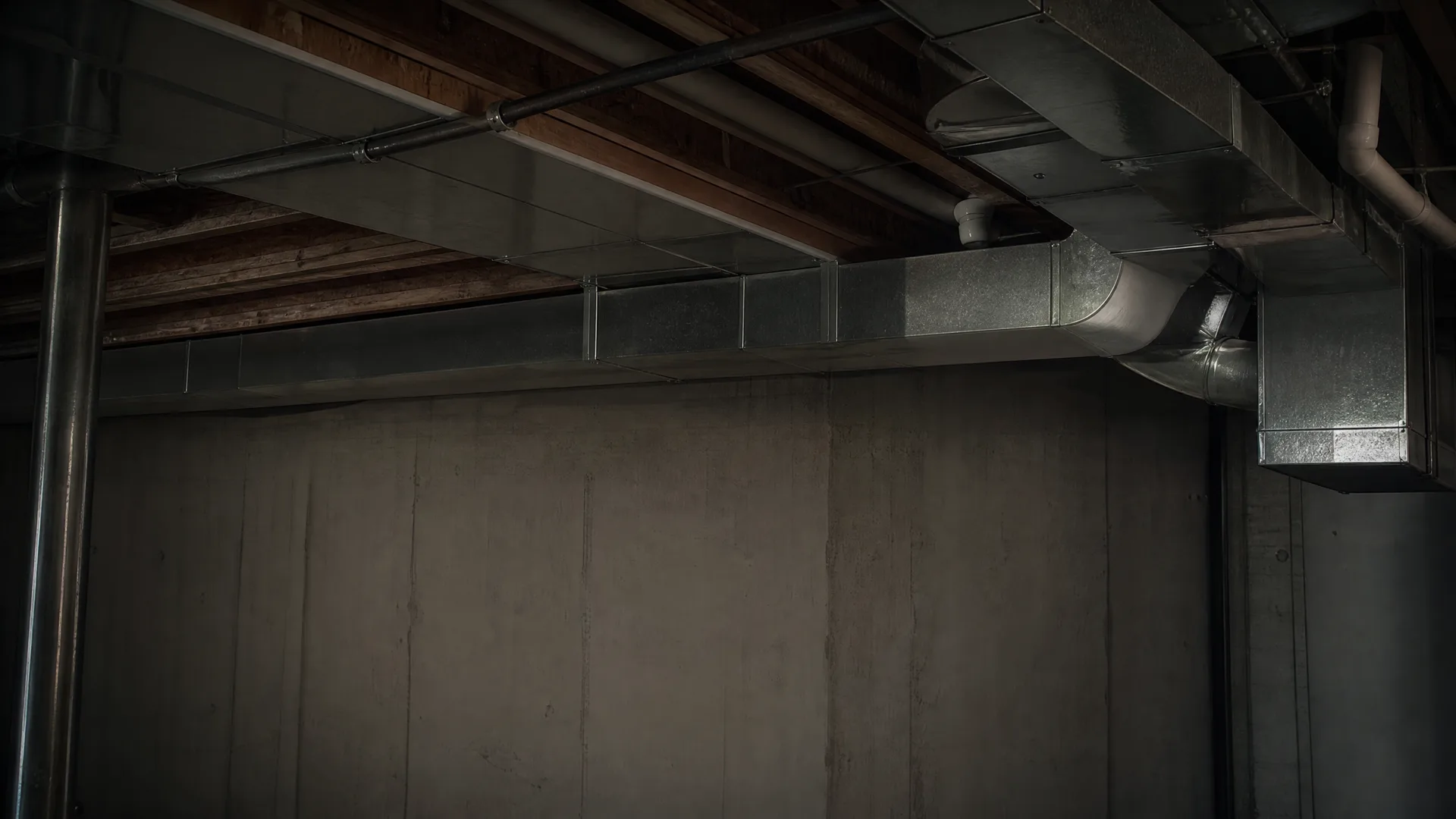
Dimly lit basement interior with galvanized sheet-metal ductwork and round pipes running along wooden floor joists above a bare concrete wall.

One request and it's handed off

Your request stays with one local pro.

Duct and vent cleaningDucts or ventsKentucky
Step 1 of 2

What ZIP code is the job in?