












Why your furnace is blowing dust in Kentucky

Send the form and the furnace tune-up stops being something to remember.

Tune-up, service, or cleaningFurnace or heatingKentucky
Step 1 of 2

What ZIP code is the job in?

Why is my furnace blowing dust into the house?

You turn the furnace on for the season and dust comes out of the vents, settling on furniture and floors within a day or two. It feels like more dust than usual, and you're wondering if something's wrong with the furnace itself or if this is just normal when the heat kicks on after months of sitting idle.

A dirty filter or a cracked heat exchanger is pushing dust through your ducts

Most of the time it's the filter. A clogged one can't catch what it's supposed to, so dust that built up over the summer gets pulled back into the air instead of trapped. If the filter looks clean and the dust keeps coming, the blower motor or the ducts themselves may be stirring up dust that settled during the months the system sat idle. In a furnace that's older or hasn't been serviced in a while, a cracked heat exchanger can also pull in dust from places it shouldn't, like a crawlspace or attic. That one matters more, since a cracked heat exchanger can let combustion gases into the air you breathe, not just dust.

A man in a gray sweater reclines in a brown leather armchair with his eyes closed, beside a wooden side table holding a mug, a folded newspaper and a potted plant, with a bookshelf and sunlit window behind him.
A man with greying hair and a dark sweater leans back on an armchair with his eyes closed and a slight smile, in a living room with a bookshelf, plant, folded newspaper and mug on a wooden table.
A man in a gray fleece jacket sits reclined in a leather chair with his eyes closed, in a room with bookshelves, a table lamp, a window, and a desk holding a folded newspaper and a dark mug.
A bearded man in a gray fleece pullover sits with eyes closed in a brown leather armchair in a living room, with a floor lamp, bookshelf, potted plants, a side table holding newspapers and a dark mug, and a bright window behind him.
A gray gas furnace stands on a concrete basement floor, connected to sheet-metal ductwork, white PVC vent pipes, and a yellow gas line, with plastic sheeting covering the walls.
A clean furnace with fresh filter and sealed ducts moves air through metal and PVC piping without stirring up anything extra.
A metal furnace with louvered panels stands against a concrete basement wall, connected to sheet-metal ductwork and a round flue pipe, with wooden framing posts and a pipe nearby.
A furnace left unchecked for seasons builds up dust on its own housing and pushes that same dust out through every vent in the house.

Where the dust actually comes from

  • Dust sitting on the heat exchanger and blower wheel since last winter gets thrown into the airflow the moment the furnace fires back up.
  • A furnace that sat idle all summer draws in whatever settled inside the return duct and pushes it straight through the supply vents.
  • A dirty blower wheel loses some of its balance and that imbalance can shake loose dust caked onto its fins.
  • An undersized or clogged filter lets fine dust bypass it instead of trapping it, so the dust rides the air into every room.
  • Gaps where ductwork joints have pulled apart let dust from the attic or crawlspace get pulled into the supply air.
  • The first run of the season burns off dust sitting on the heat exchanger surface, which is the smell and haze you're noticing.

A furnace sits idle from spring through the fall, and whatever settles in that time has nowhere to go until the blower starts moving air again. The blower wheel is the part doing the pushing, and it sits right behind the filter where dust can cake onto its fins over months of not running. When you fire the furnace up for the first time, that wheel spins up fast and throws off whatever built up on it. The heat exchanger does something similar. Dust that landed on its surface over the summer burns off in the first run, which is usually where that burning smell and light haze come from. The filter is supposed to catch fine dust before it gets this far, but if it's the wrong size for the return or it's been in there too long, dust rides past it into the supply ducts instead of staying trapped. Ductwork plays a part too. Joints that have worked loose over the years leave gaps where a duct runs through an attic or crawlspace, and those gaps pull in dust from spaces that were never meant to connect to the air you breathe. None of this means something is broken. It means dust had all summer to settle somewhere, and the furnace is just moving it now that it's running again.

An older metal furnace with PVC and metal pipes stands on a concrete basement floor beside galvanized ductwork, with wooden stairs and a water tank in the background.
Before you get your furnace maintenance
A gray high-efficiency furnace in a basement with sheet-metal ductwork, white PVC vent pipes, metal plumbing lines, a condensate pump on the floor, and a window showing green trees outside.
After you get your furnace maintenance

Two days after you wipe down a shelf, the dust is back. That's not bad luck with cleaning, that's your furnace loading the air every time it runs. Kentucky winters ask a lot of your furnace, and most homes here are heating with electricity, so that blower is working the whole stretch from the first cold snap through the last one in spring. A dusty blower wheel doesn't care if the furnace is gas or electric. It pushes whatever's sitting on it straight into the ducts your family breathes from, every day, for months. Leave it alone and you're not just living with dust until spring, you're adding to what's already built up for next winter. A heat exchanger coated in dust also makes the furnace push harder to move the same air, and that shows up on your power bill even with rates as low as they are here. Getting it checked before the season runs its course is the difference between a furnace that clears itself out now and one that's worse by next fall.

What this means for your house

  • Dust settling again on the same shelf two days after you dusted it means the furnace is the source, not your cleaning schedule.
  • A furnace blowing dust all winter means that dust is landing in the ductwork your family breathes from every day until spring.
  • Electric furnaces push air just as hard as gas ones, so a dusty blower wheel spreads just as much dust through an electric system.
  • Running a dusty furnace through a full Kentucky winter leaves more buildup for next year than if it had been checked before the season started.
  • A furnace working harder to push air through a dust-coated heat exchanger can raise what you pay to run it, even with cheap power rates.
  • Waiting until spring to deal with the dust means living with it through every cold snap between now and then.
A gray-haired man with a beard in a blue button-placket shirt reclines on a couch with his eyes closed, beside a sunlit window with a green plant.
A woman in a cream knit sweater sits in an armchair with her eyes closed near a window showing yellow autumn foliage, with a mug on a round wooden side table beside her.

It's off your list after this

A furnace that sat quiet all summer collects dust on the blower wheel and heat exchanger, and in a Kentucky house heating with electric resistance or an electric furnace, that dust has had months to settle before the first cold night calls for heat. Most homes here run on electric heat, and that first firing in October or November is exactly when a tech can get in, clean the blower, change the filter, and catch what built up before it spreads through every room. A local contractor who services furnaces every fall knows what shows up in houses around here when the weather turns, and your request goes to one of them, not a handful competing for your call. You don't have to track down who's available or wait on hold while dust keeps landing on the same shelf you just wiped. Send the request and let someone who does this work sort out the rest.

  1. Dust settles on the blower wheel and heat exchanger all summer.

  2. You turn the furnace on for the first cold night.

  3. The blower wheel spins up and stirs the settled dust loose.

  4. Airflow carries that dust into the supply ducts.

Clean It Out or Live With It

Skip maintenance

  • Dust that settled on the blower wheel over the summer stays there until someone physically cleans it off.
  • The filter keeps catching what it can, but a filter only stops what passes through it, not what's already loose inside the cabinet.
  • Each time the furnace cycles on and off, more of that dust works its way into the supply ducts.
  • By January you're dusting the same shelves every few days instead of once a week.
  • Nothing resets the amount of dust already inside the furnace housing until it's cleaned out.

Get it serviced

  • A technician opens the cabinet and cleans the blower wheel and heat exchanger surfaces directly, not just the filter.
  • The return duct gets checked for whatever settled in it over the months the furnace sat idle.
  • A local contractor who works on furnaces every fall knows which spots in your make and model collect dust first.
  • Once the buildup is removed, the furnace has nothing left to throw into the airflow when it fires up.
  • You're dealing with one contractor who knows the equipment, not several companies competing for the job.
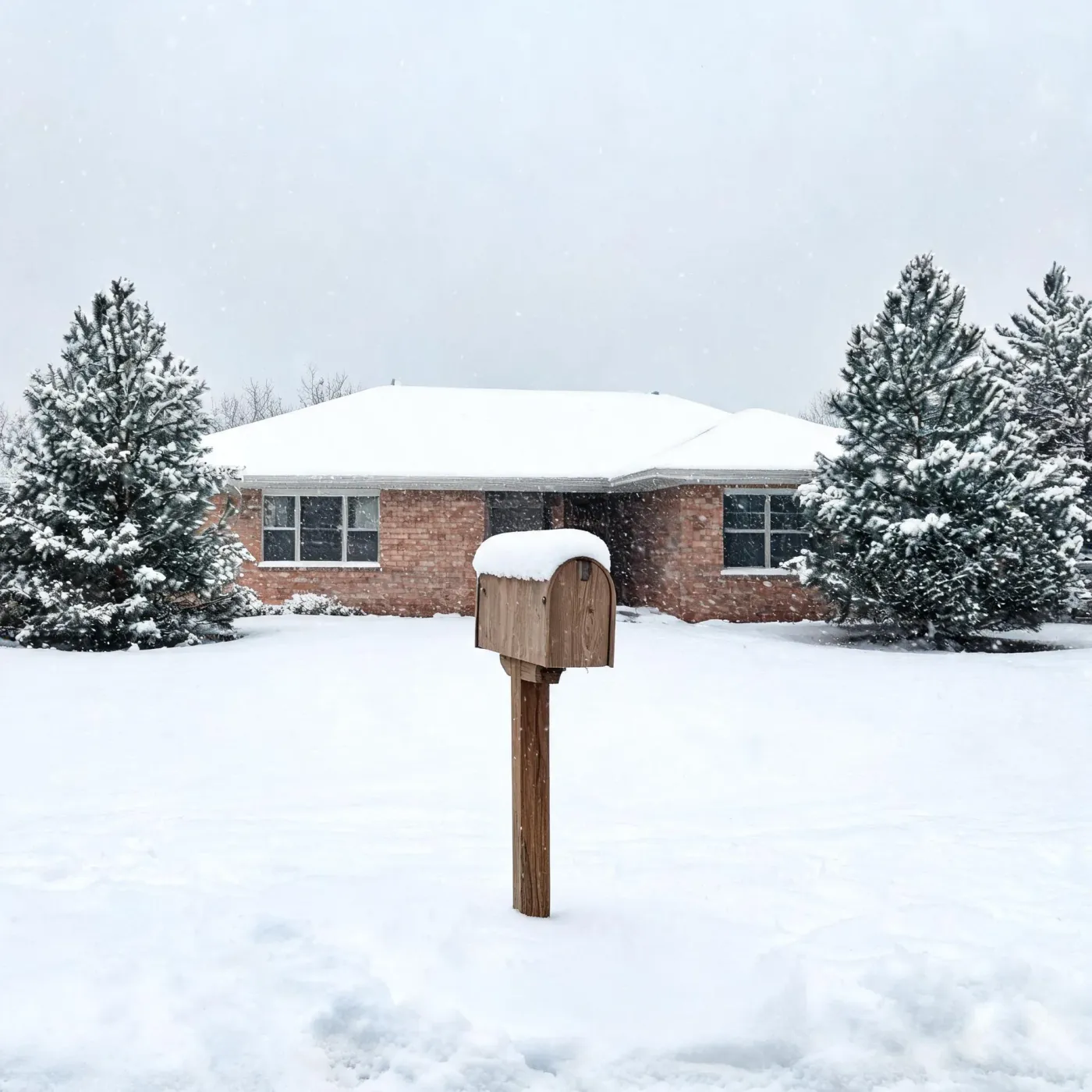
A snow-covered wooden mailbox on a post stands in a snowy yard in front of a single-story brick house flanked by snow-laden evergreen trees during falling snow.

Winter nights average 27°F statewide, according to NOAA climate data. That's cold enough that your furnace is running most of the night, not just kicking on for a few minutes here and there. The longer it runs, the more air it pushes through the blower wheel and heat exchanger where that summer dust has been sitting. A furnace cycling for hours at a stretch on a 27°F night moves a lot more of that dust than one that barely runs. You'll notice it most on the coldest nights, when the vents stay blowing the longest and the dust on the furniture seems to show up faster than it did the week before.

NOAA nClimDiv 1991-2020 county normals weighted by homes

Is this just dust, or is it something worse

A thin layer on the coffee table a week after you dust is normal. Dust that's back the next morning, in the same spots near the vents, is your furnace talking. Check the return grille for a gray film, or run a finger along a supply vent cover and see what comes off. If you've got a window unit or portable air cleaner running in one room, notice if that room stays cleaner than the rest of the house. That tells you the furnace is the source, not the air outside. Left alone, it's not just more dusting. Anyone in the house with allergies or asthma will likely notice it first, in their throat or their eyes, before anyone else does.

A basement utility area with a gray furnace, sheet-metal ductwork, pipes, plastic-covered walls, a concrete floor, and a black shelving unit holding storage bins.

The furnace that stays clean inside

This is a furnace that's had its cabinet opened every year. The blower wheel gets wiped down, the ducts and gas lines stay sealed where they connect, and air moves through the system instead of picking things up along the way. Nothing in that cabinet has had the chance to build up.


A gray metal furnace with louvered vent panels stands on a concrete basement floor beside galvanized ductwork, gas and plastic pipes, and foil-faced insulation along the ceiling and wall.

The furnace nobody's looked at in years

Rust on the cabinet usually means moisture's been sitting somewhere it shouldn't. A furnace that looks like this on the outside has likely gone the same stretch without anyone checking the blower wheel or heat exchanger inside, and that's exactly where the dust you're seeing comes from.

Winter nights average 27°F statewide

At 27°F, your furnace isn't cycling on and off for a few minutes. It's running long stretches to keep up, and every minute it runs, more air passes over that dusty blower wheel and out through your vents.

NOAA nClimDiv 1991-2020 county normals weighted by homes

The dust coming through your vents is settled dust getting stirred loose, not a sign your house is dirtier than it used to be, and a cleaning catches it before the cold months put the blower to work night after night. A tech who works furnaces across Kentucky every fall has seen this exact pattern more times than they can count, in houses with the same electric furnaces running the same long nights at 27 degrees, and knows what to check first and what usually turns out to be the problem. You'll get matched with one licensed local contractor, not a handful of companies competing for your callback, so the person who shows up already knows what tends to fail in a furnace that sat quiet all summer. Send the request and that search becomes someone else's job instead of yours.

A curving paver walkway runs alongside a house with beige lap siding and a white-trimmed window, bordered by low shrubs, grassy plants, and trees in sunlight.
A dark-framed casement window with divided upper panes set in a stucco wall beside a stone-clad section, with hydrangeas, hostas and trimmed shrubs in a mulched bed above a lawn.
White horizontal lap siding wall with a single six-pane double-hung window, above a mulched bed of hydrangea shrubs with browning blooms, bordered by mown grass in low sunlight.
Interior corner with tan plaster walls, a potted olive tree in a large terracotta urn beside a floor-to-ceiling window, and a wooden bench with a beige cushion on a herringbone brick floor partly covered by a woven jute rug.
A wooden bench beneath a window holds a green linen cushion and a fringed cream throw, with a woven basket stored underneath on a wood plank floor.

Stop chasing a furnace pro

A licensed local pro takes the request for your furnace tune-up.

Reach a local pro

There's no charge for the request.



