
Furnace Installation in Louisville, KY
A new furnace here will run from October through April every year. Tell us about the house, and a licensed contractor who covers Jefferson County will get in touch.
Tell us about the job
It takes about a minute.
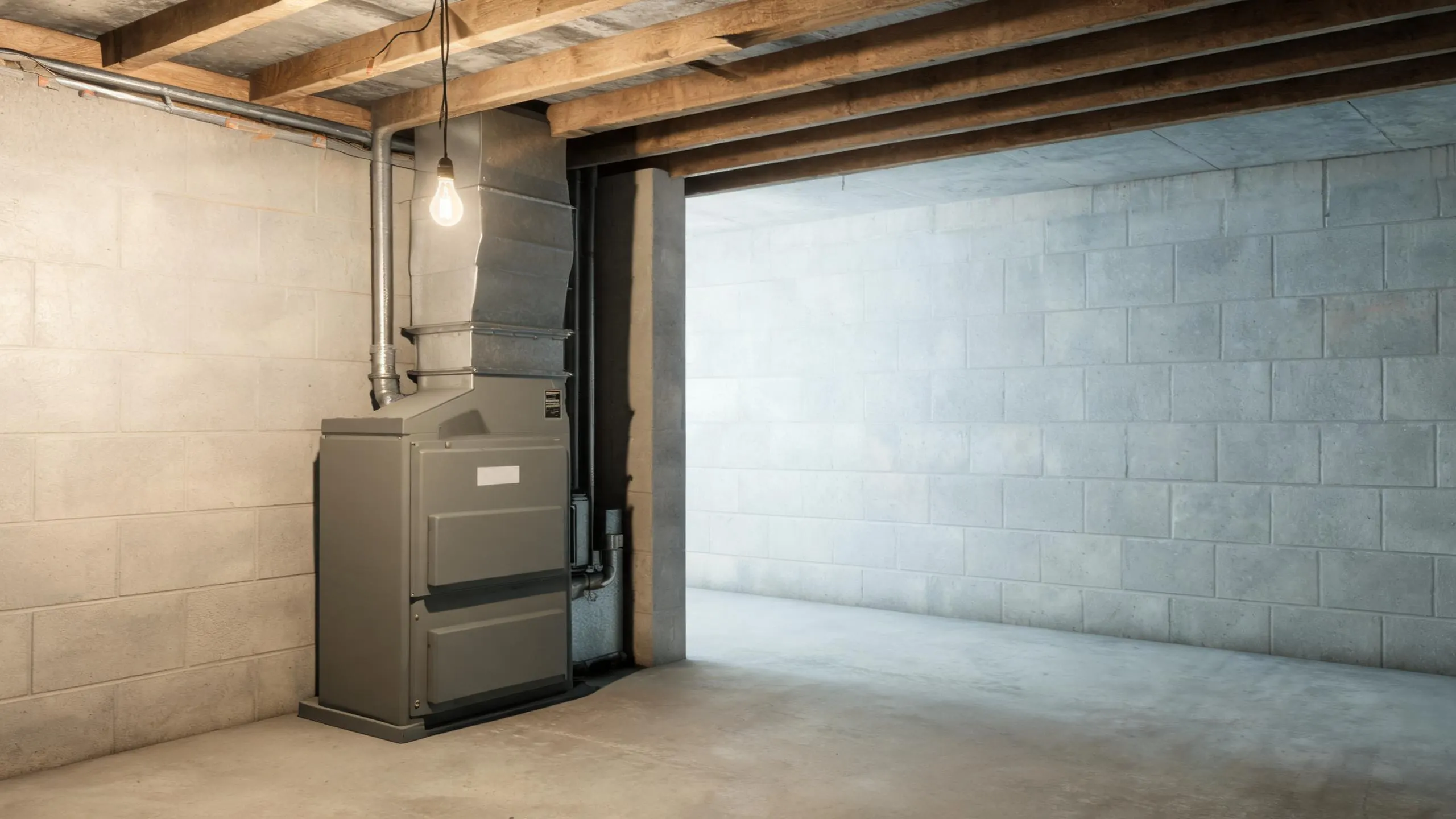
Seven months of heat, on a grid that doesn't always hold
From October through April your furnace is the thing standing between you and a 27°F night. That's the average winter low here, not the extreme, so the unit runs long stretches most people don't think about until it stops.
Jefferson County sees real winter storms, ten of them over the last ten years, plus 249 damaging wind events in that same stretch. Add in that 24% of Kentucky households lost power for a day or more in 2024, and a furnace that starts reliably on its own matters as much as one that runs efficiently. If your new furnace is a non-weatherized gas model built after November 2015, it has to hit at least 80 percent AFUE by federal rule, so that part is decided for you. What's left to get right is sizing it and installing it for a season that runs long and doesn't always cooperate.
- 7 months
- October through April, your furnace is on duty
- 27°F
- the average winter night it heats against
- 59%
- of homes here heat with gas, so most furnaces here burn gas
- 80% AFUE
- the federal minimum any new unit must meet
NOAA nClimDiv, 1991–2020 normals

A high-efficiency gas furnace would save about $80 a year to run in Jefferson County compared with a gas furnace.
Estimates for a typical Jefferson County home, from EIA household energy data, Kentucky fuel prices and NOAA climate normals. Your home will differ.
Kentucky requires HVAC contractors to hold a state license.
Kentucky's license comes from the Department of Housing, Buildings and Construction, and it's tied to the contractor, not the job. That means the state tested this contractor and has them on record, but it doesn't sign off on your furnace specifically.
For that, Jefferson County steps in. A furnace installation here needs a permit from the local building office, and an inspection once the work is done. That inspection is what catches a bad gas connection, which is the part of this job that matters most given how many homes in Jefferson County heat with gas.
Sources: Kentucky Legislative Research Commission · Kentucky Department of Housing, Buildings and Construction
- What size furnace does my house need?
- A contractor works this out with a heat loss calculation on your house, not a chart based on square footage alone. That calculation looks at your insulation, window area, and ceiling height, along with how much of the year you're heating, which here runs October through April. A furnace that's too big will short cycle and wear out faster. One that's too small will run constantly and still leave you cold on the 27°F nights this area sees in winter. Ask whoever quotes the job to show you the calculation, not just a number.
- How do I know it's time to replace my furnace?
- Watch for uneven heat, a furnace that runs longer than it used to, or repairs that keep coming back. Age matters too, and as a furnace gets old, parts get harder to find and efficiency drops. If your furnace is a non-weatherized gas model made after November 19, 2015, it's required to run at 80 percent AFUE or higher, so anything older than that is likely burning more fuel to make the same heat. With homes here needing heat seven months a year, a furnace on its way out shows itself fast.
- Is a high-efficiency furnace worth it?
- It depends on how long you plan to stay in the house and how much you heat it. High-efficiency furnaces use a second heat exchanger to pull more heat out of the gas you burn, so less goes out the flue. In a place where homes need heat from October through April, that furnace is working most of the year, which is when the higher efficiency has the most chance to matter. A contractor can walk you through the difference in equipment and venting for your specific house.