Send the form and finding a dryer vent cleaner is handled.
A dryer vent doesn't announce itself until the dryer starts taking two cycles to do one load, or the top of the machine feels hot to the touch. By then lint has been building up in that line for a while.
Most homes in Florence and around Boone County run electric dryers, and electric or gas, the vent still has to push hot, moist air all the way outside through the duct. Once that path is even partly blocked, the dryer runs longer and hotter to get clothes dry, and the lint packed into the duct is exactly what a hot dryer can ignite.
Summers here get sticky, which means the air the dryer is already fighting is heavier with moisture. Winters are cold, and a lot of houses keep windows and doors shut tight for months, so there's less fresh air working its way through the house to help things along. Neither of those extremes is kind to a vent that's already restricted.
What a cleaning does is restore that straight shot from the dryer to the outside, so the machine isn't straining against its own exhaust.
Finding someone qualified to look at a vent line, run a brush or camera through it, and clear it properly isn't something you need to sort out on your own. Send the request through this page and that search is done. A local contractor who handles dryer vents regularly in homes around here, the kind who knows what a Boone County vent run usually looks like and what tends to clog it, gets matched to you directly. Just the one contractor, not a handful of companies competing for your callback. Once that request is in, the work of finding someone is off your plate.
How often should I clean my dryer vent?
You run a load and the towels still come out damp, so you run it again. You're not sure if that's normal wear or something building up in the line you can't see. Dryer vents don't come with a reminder, and most people only think about them once the dryer starts acting up. You just want a number you can work from, not a vague rule.
Once a year, more often if you run a lot of loads
Once a year is the standard for most households, and it holds for Florence and the rest of Boone County too. A family doing several loads a week builds up lint faster than that, and a vent run with tight bends or a longer path to the outside wall traps more of it along the way. If your dryer is taking longer than it used to, or you notice the laundry room getting warm while it runs, that's lint narrowing the line before a year is up. Electric dryers here don't burn gas, but they still push a full cycle of moist air through that same vent, and a blocked one makes the motor work harder every time you use it.
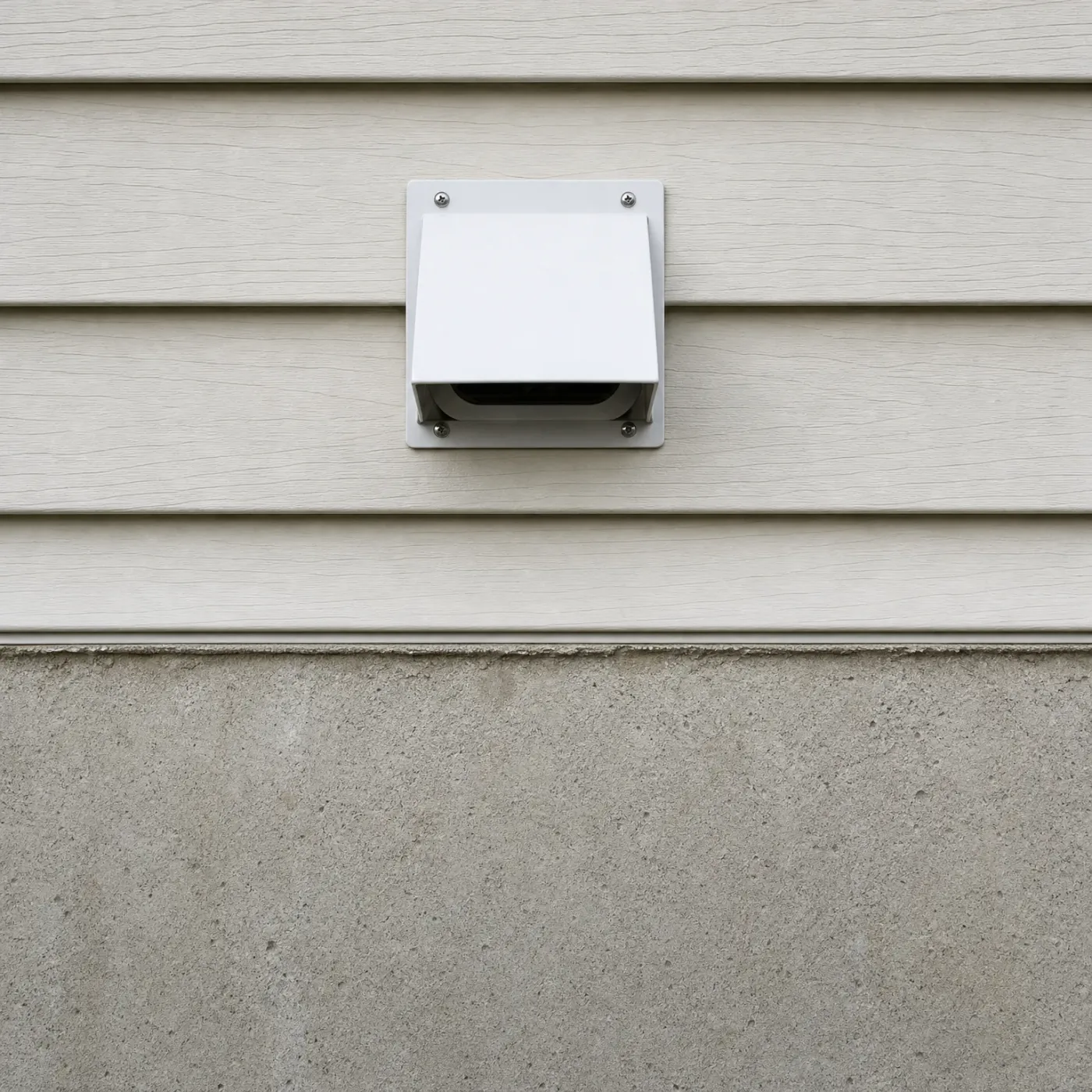
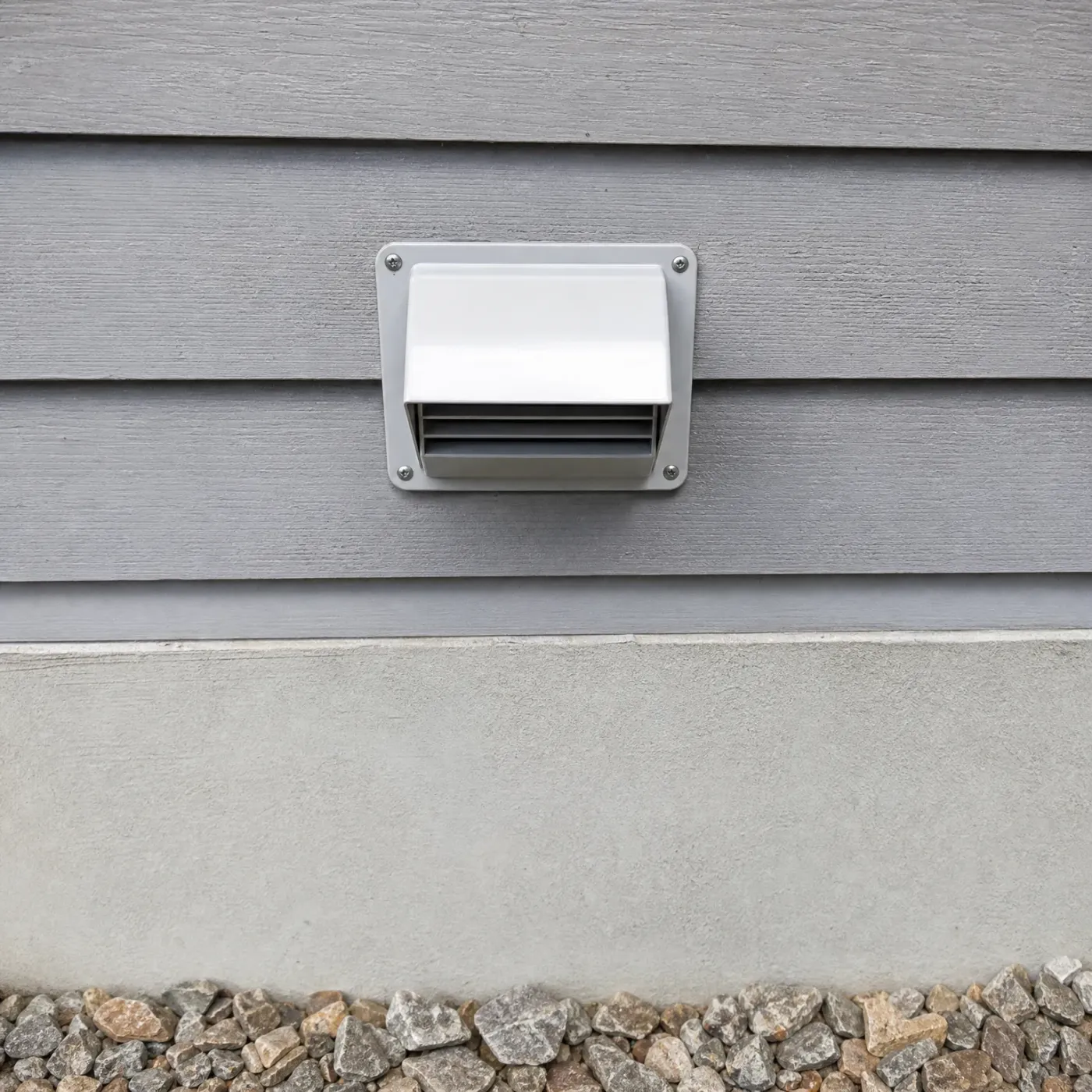
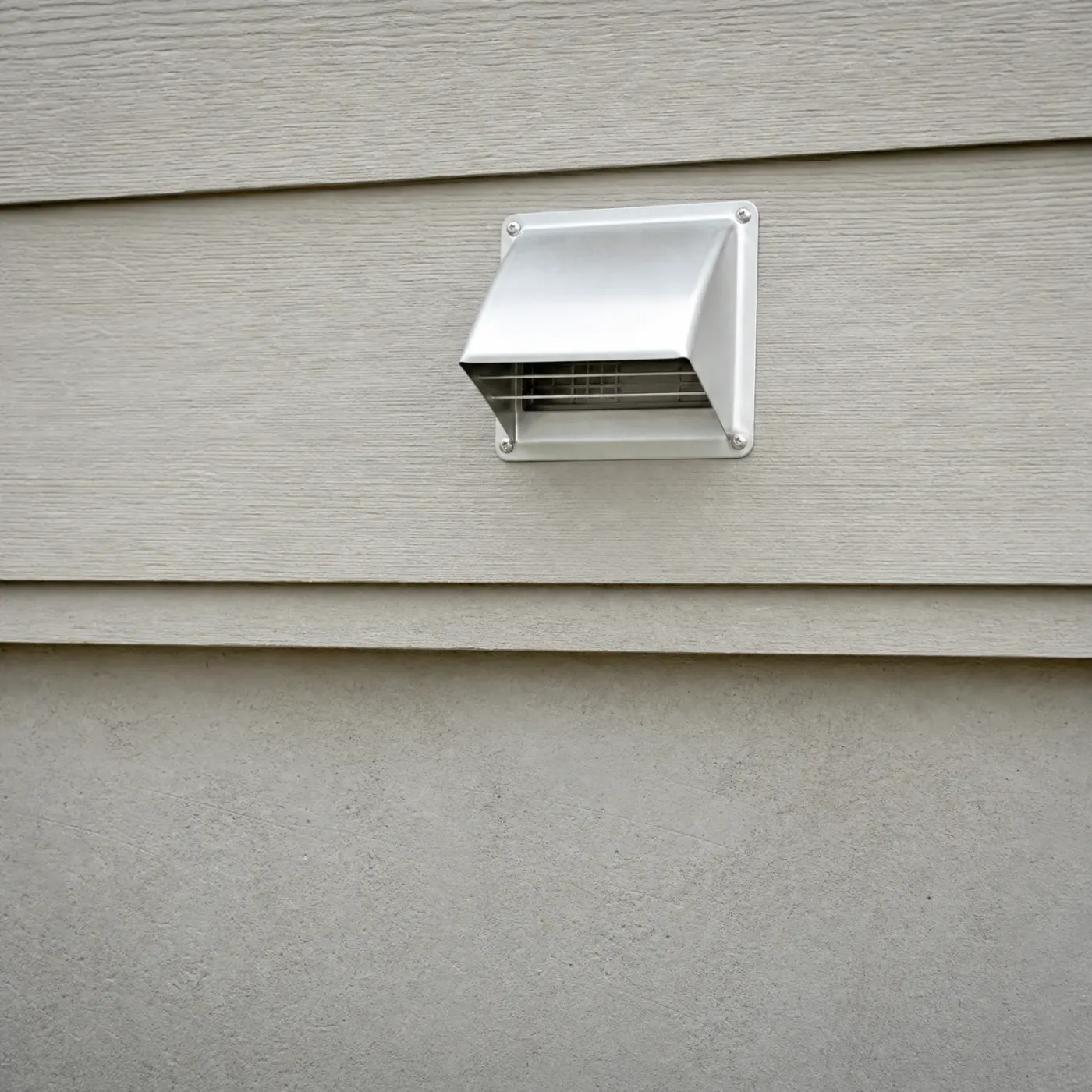
Clear and venting well
Air pushes straight out through the louvers and the cap stays clean. A load of towels finishes in one cycle instead of two, and the top of the dryer stays cool while it runs. This is what a vent looks like when it was cleaned recently.
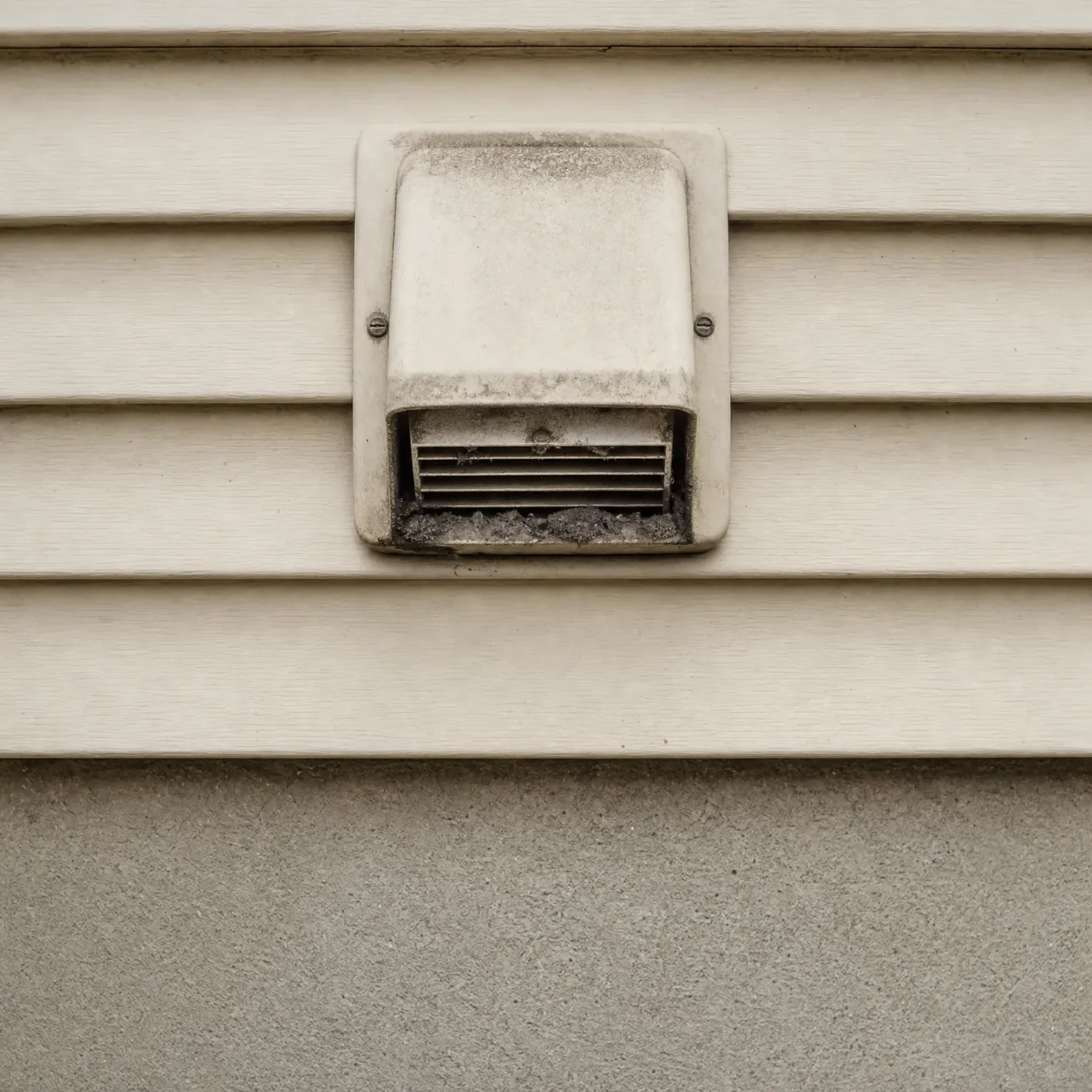
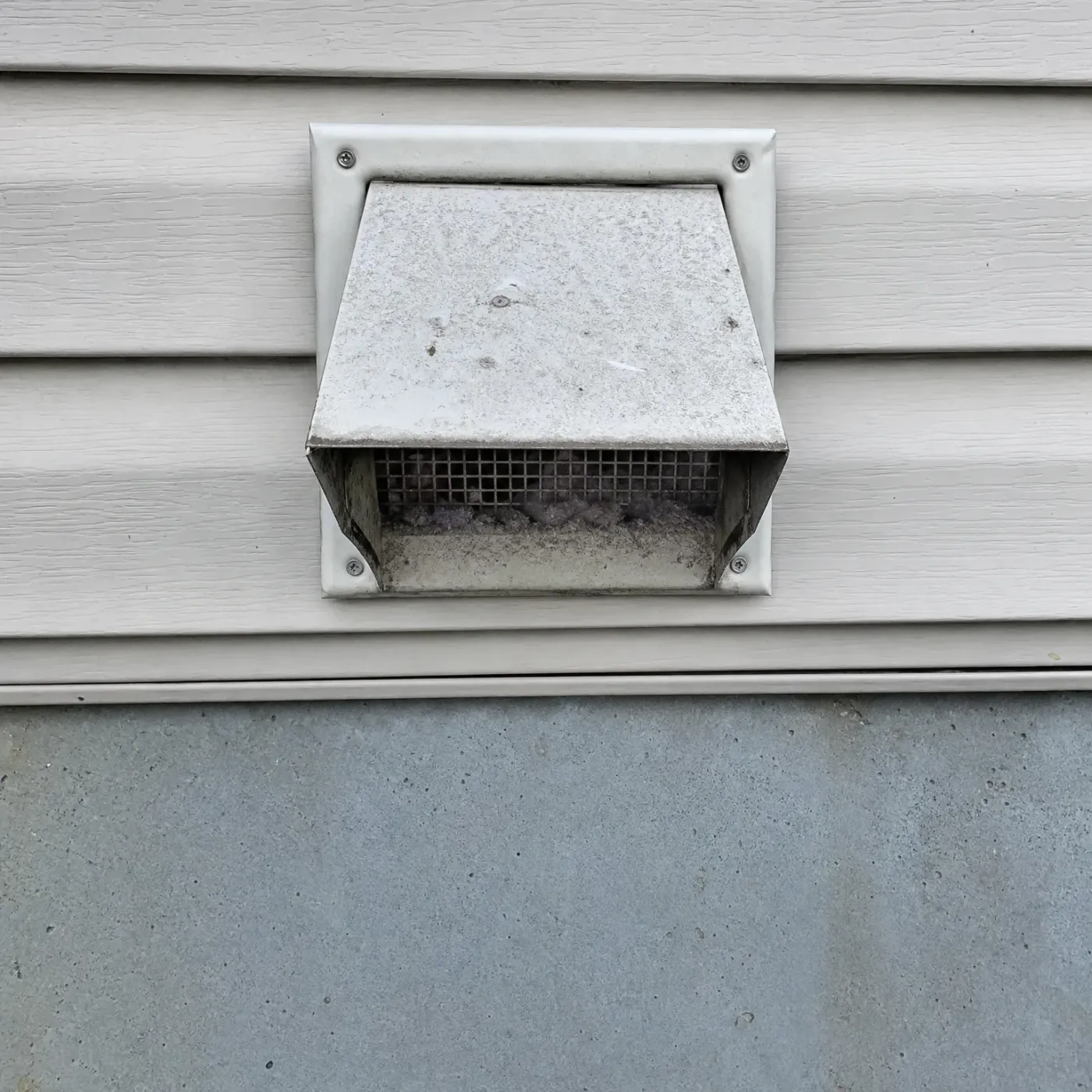
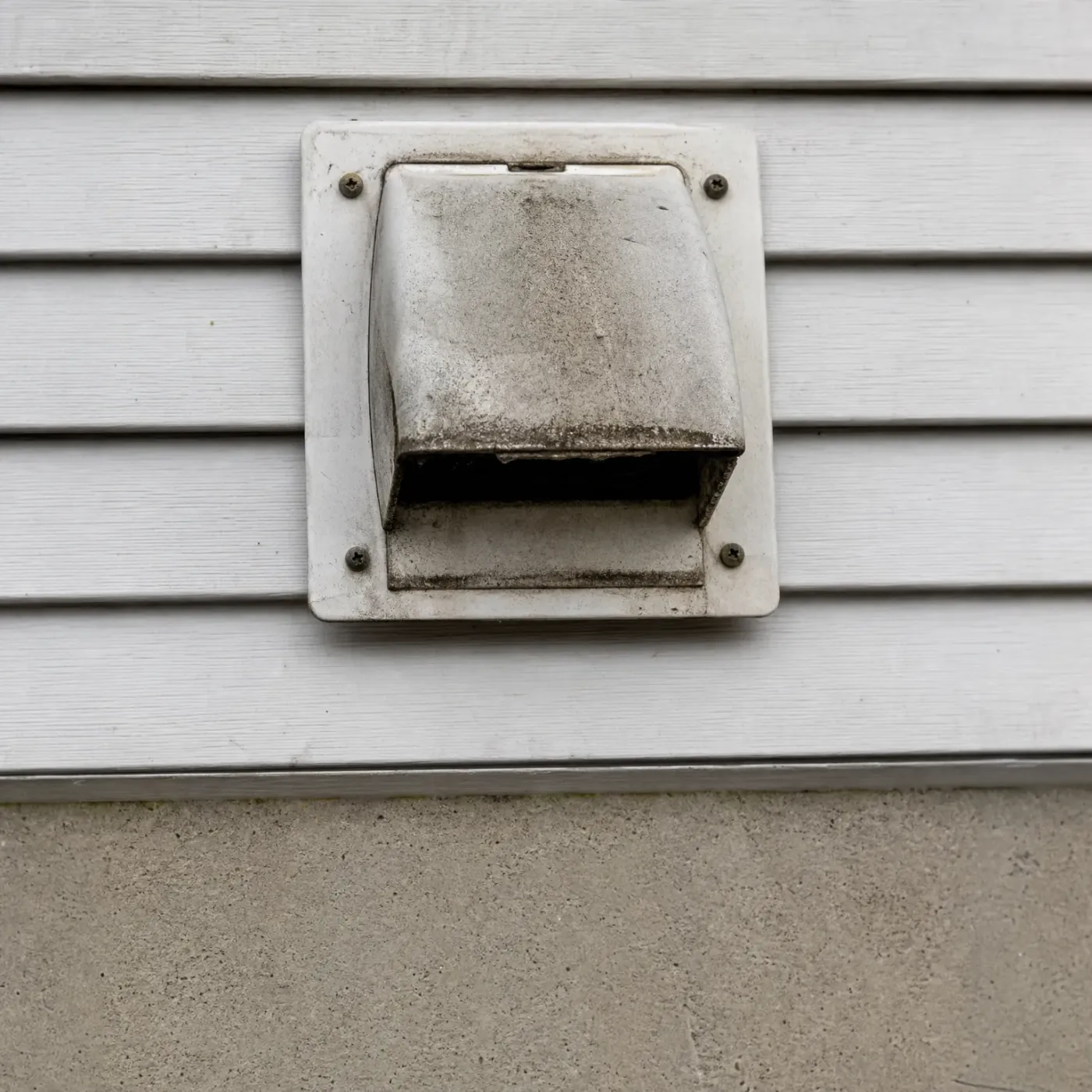
Clogged and backing up
Lint has built up around the louvered opening until air barely gets through. The dryer runs hotter and longer, pushing a damp load through two or three cycles instead of one. Left alone, lint keeps collecting behind that cap where you can't see it.
Why does your household's dryer vent fill up faster than you'd think?
2.72 people per household on average
With 2.72 people in the average Boone County household, laundry runs often, and every load sends more lint through the same line.
Half the homes here were built by 1996
Half the homes here were built in 1996 or earlier, and a vent line that old has had decades to collect lint in bends you can't see.
Power here costs 13.46 cents per kilowatt-hour
Electricity here runs 13.46 cents per kilowatt-hour, so a clogged vent forcing your dryer to run longer shows up on your bill fast.
ACS 2020-2024 · EIA-861 2025
How a Dryer Vent Actually Clogs
Lint builds up at the elbow joints first, where the line turns, not in the straight runs.
A dryer burns gas or runs on electricity, but either way the motor still has to push the exhaust air the full length of the vent.
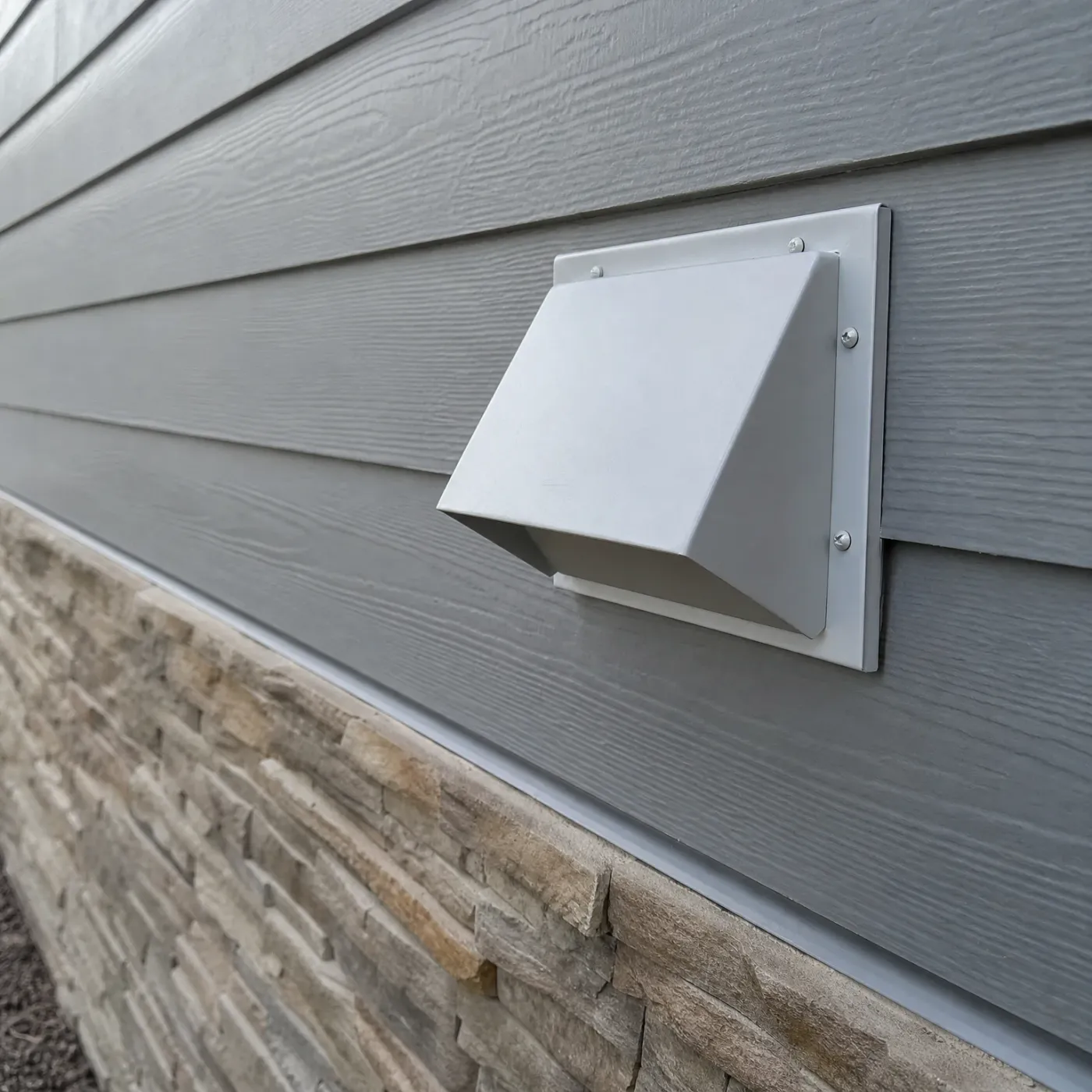
The cap on the outside wall has a flap called a damper, and lint can hold that flap open so pests and weather get in.
Rigid metal duct lets lint build the same as any other material, so the pipe type doesn't change how often it needs clearing.
A vent cleaning clears the full run from the back of the dryer to the outside cap, not just what you can reach from either end.
The longer the run or the more turns it makes, the more surface there is for lint to catch on along the way.
The lint trap in your dryer only catches part of what comes off a load. The rest rides the exhaust air down the line, and it doesn't settle evenly. It catches where the duct turns, at every elbow joint, long before the straight sections fill in. A run with two or three bends clogs faster than a short straight shot to the wall, even if both move the same amount of laundry. The motor has to push that air the full distance regardless of whether the dryer runs on gas or electric, and a partial clog means it's working against more resistance than it was built for. Outside, the cap has a flap, the damper, that's supposed to swing open only while the dryer runs and seal shut the rest of the time. Lint can wedge it open, and once it's propped even a little, it's a path for cold air, rain and the occasional mouse or wasp looking for a place to get out of the weather. None of this depends on whether the duct is rigid metal or something else. Lint sticks to metal the same as it sticks to flex, so the material isn't what decides when it needs attention. A real cleaning runs the length of the line, from the back of the dryer to that outside cap, because clearing one end and leaving the middle packed doesn't fix the airflow problem at all.
Stop chasing a dryer vent pro
The pro who gets in touch is licensed in Kentucky and works in Boone County.
One request and the dryer vent cleaning stops waiting on you.
A dryer running on electricity still has to push exhaust air through the full vent run, and a yearly cleaning keeps that path clear.
One cycle dries a load instead of two, so the motor and heating element aren't working harder than they need to.
Lint that collects at the elbow joints gets cleared before it packs tight enough to slow the airflow.
You catch a damaged or loose cap before it lets moisture or pests into the line.
A vent that's been cleaned recently runs cooler at the top of the machine, which you can feel by hand.
Wait and see
Towels start taking two cycles instead of one, but it happens slowly enough that you chalk it up to an old dryer.
Lint keeps collecting at the elbow joints with every load, and the buildup doesn't reverse itself.
The motor keeps pushing against a narrowing line, so it runs longer and hotter than it was built to.
A vent that's never been checked hides whether the cap outside is still sealing the way it should.
By the time the dryer feels hot on top or a load won't dry at all, the lint has had months to build up unseen.
Before you get your dryer vent cleaningAfter you get your dryer vent cleaning
The vent cap on the outside wall has a flap that's supposed to swing open when the dryer runs and fall shut when it's off. Lint catches on that flap before anything else.
Once lint builds along the flap's edge, it stops closing all the way, and that gap lets the line collect dust and moisture between loads instead of staying clear.
2.72 people per household on average
At 2.72 people, your household is doing laundry most days of the week, not once or twice. That's more loads pushing lint through the same vent run, so the line fills faster than a single-person home down the street and needs cleaning on a shorter cycle.
ACS 2020-2024
The louver swings freely
The flap opens all the way when the dryer kicks on and falls shut when it stops. The screws are clean, the mesh screen is visible behind it, and no lint shows around the opening. Air is moving the way it should.
The louver is caked shut
Dust and lint have built up around the flap opening and across the hood. The vent cap can't swing open as far as it needs to, so exhaust air pushes against a narrowing gap instead of a clear path. This is what gets found behind a wall that's been running damp loads.
Is this what's happening in your laundry room?
You've probably noticed the dryer running longer than it used to, or you're pulling clothes out and they're warm but not quite dry. Maybe the room gets warmer than it should while the dryer's on, or there's a faint burnt-dust smell near the end of a cycle. Some households notice the dryer shuts off mid-cycle and needs a restart to finish the load. These aren't signs the machine is wearing out. They're signs the air isn't getting out of the house the way it's supposed to. A blocked vent makes the dryer run hotter and longer than it was built to, and lint sitting in a warm, enclosed line is a fire risk, which is why this isn't something to put off once you've noticed it.
It's a Tuesday night and you've already run the towels twice. You pull them out the second time and they're still heavy and damp at the folds, the way they get when the dryer's working but the air isn't moving right. The top of the machine is warm under your hand. Outside the laundry room window it's full dark already, that early winter dark Boone County gets by six. You could run a third cycle. Instead you just stand there looking at the pile on top of the dryer, tired, doing the math on how long this has actually been going on.
Once a year is the answer for most homes in Florence and around Boone County, and sooner if yours is running laundry most days of the week or hasn't had the line looked at since the house was built. A clear vent means one cycle instead of two, a dryer that doesn't run hot to the touch, and a cap outside that opens and shuts the way it's supposed to. A clogged one means lint sitting at the elbow joints, a flap that won't close all the way, and a motor pushing air through a line that's fighting it the whole time. You know which one sounds like your laundry room. A licensed local contractor can clear that line and get the vent back to moving air the way it was built to. From there, it's a yearly job, not a guessing game.
Dryer Vent Cleaning
Send one request and you're done looking
A licensed pro who works in Boone County gets your request.