One load, more lint
Every cycle leaves lint behind in the duct. A year of drying adds up to a liner that's thick enough to slow the airflow your dryer needs to work right.
Clean your dryer vent once a year. Lint builds up inside the duct every time you run a load, and a vent clogged with lint forces the dryer to run longer and hotter to dry the same clothes. Summers here get sticky, and when the air outside is already heavy with moisture, a partly blocked vent has a harder time pushing air out, so clothes come out damp and the dryer runs again. Since most homes in Kentucky heat with electricity, that extra run time shows up on the same electric bill that already carries your heat, not a separate gas charge you might overlook. If you dry heavy loads most days, like towels or bedding for a big household, check the vent closer to every eight or nine months instead. A vent that never gets cleaned is also a fire risk, since lint is what catches.
Most homes here heat with electric power, and your dryer runs on it too. At 13.13 cents a kilowatt-hour, a vent packed with lint makes the dryer pull more power for every load just to finish drying. Clearing it keeps that cost from creeping up unnoticed.
EIA-861 2025 statewide residential average
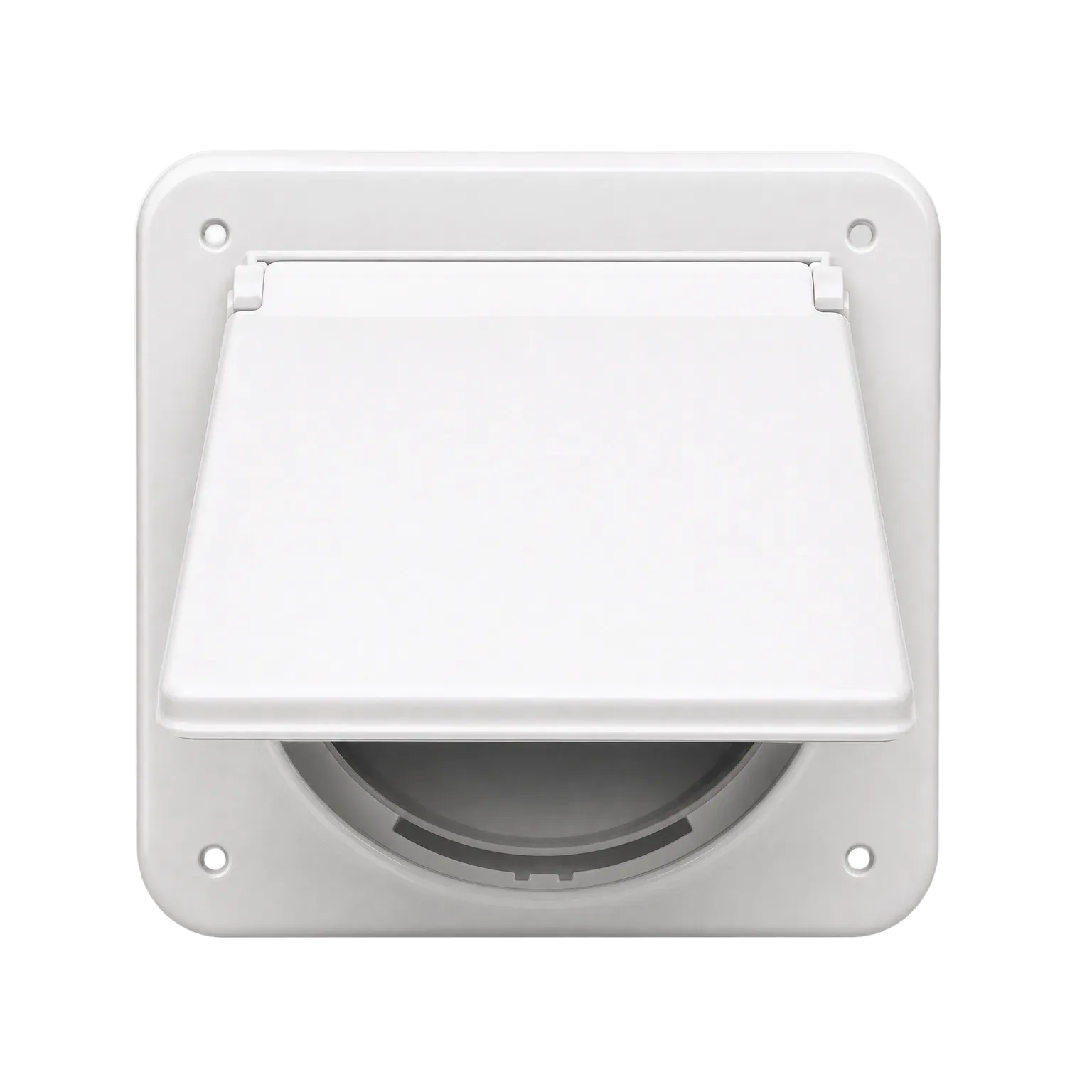
You can do this yourself if you're willing to pull the dryer out, disconnect the duct, and run a brush through it from both ends. A vent that runs straight and short, just a few feet to an outside wall, is usually manageable this way. You'll need a vent brush kit long enough to reach the full run, and you'll want to check the outside hood too, since that's where lint often cakes up behind the flap. Plan on doing this once a year, more if you run several loads a day or have a longer duct run. It's not hard work, but it is work, and it means getting behind the dryer and staying on top of the schedule yourself.
A lot of Kentucky homes have duct runs that turn through a wall or run up through a floor, and those bends are where a shop vac or a short brush won't reach. If you've never had the vent cleaned since the dryer went in, or you're not sure how long the run is or where it exits, that's worth finding out before you start pulling anything apart. Getting matched with a contractor means you skip the part where you call around asking who even does this kind of work, explain the layout of your laundry room twice, and sort through quotes that don't tell you much. One call, and someone who knows the job reaches out to you.




Every cycle leaves lint behind in the duct. A year of drying adds up to a liner that's thick enough to slow the airflow your dryer needs to work right.
A clogged vent traps heat that should be venting outside. The dryer compensates by running hotter and longer, which is what pushes the power bill up.


One form replaces the calls you'd make to find a dryer vent pro.
You only hire the pro if you want to.
Lint doesn't settle evenly along a dryer duct. It builds up where the air has to change direction, at the elbows and bends a duct takes to reach the outside wall, long before it builds up in the straight runs. That's why two homes with the same length of duct can clog at very different rates, depending on how many turns the run makes. A dryer that's venting the way it should will finish a full load in one cycle, usually under 45 minutes. If yours is running two or three cycles to get clothes dry, that's the duct talking, not the dryer. Outside, the exhaust hood has a flap that should swing open when the dryer's running and fall shut when it's not. If it's barely moving, or not moving at all, there's lint packed against it from the inside. That same buildup against the screen can look, from a few feet away, like something's nested in there. The duct material matters too. Rigid metal holds up against lint buildup better than the foil or vinyl accordion duct some homes still have, which has ridges that catch lint as it passes. And if your run is long enough to need a booster fan partway down, don't mistake a working fan for a clear duct. The fan can keep pushing air through a duct that's already narrowing with lint, right up until it can't.





A dryer vent cleaned once a year is one less thing to think about the other eleven months. You run loads, the air moves through clear, and the flap outside swings open like it should. That's the whole standard to hold it to.
Finding someone to do it is its own chore, the calls, the quotes, explaining the same layout of your duct run to three different people. Answer a few questions here and a contractor who takes on jobs like yours in Kentucky will reach out to you directly, so you're not the one doing the legwork to get it scheduled.


The right pro for this job




