
Why your furnace rattles in Kentucky

RepairFurnace or heatingKentucky
Step 1 of 2

What ZIP code is the job in?

A rattle usually means something inside the furnace has come loose. Panels work loose from the vibration of the blower running, and once a panel isn't sitting flush, it buzzes or rattles against the cabinet every time the system kicks on. Loose screws on ductwork near the furnace do the same thing. It can also be the blower wheel itself, if a bit of debris got into it or a mounting bracket has shaken free over time. None of this means the furnace is failing right now, but a rattle that started suddenly or has gotten louder is worth having someone look at. Your furnace likely runs most of the winter, so a loose part only gets looser with more hours of use. Catching it while it is still a panel or a screw is a lot better than catching it after the blower motor has been working with something hitting it for months.

A gray furnace with white PVC vent pipes stands beside sheet-metal ductwork in a basement with a smooth concrete floor, exposed wood framing, and plastic sheeting on the walls.

Running quiet

A furnace that's sitting right makes a low hum when the blower kicks on, nothing more. Panels sit flush against the cabinet, duct screws are snug, and the blower wheel spins true. Electric heat runs most of the year in Kentucky homes, so a quiet unit matters when it's on that often.


A beige furnace with two access panels stands against a concrete basement wall, with galvanized sheet-metal ductwork, a white PVC pipe, flexible conduit and insulated ducting around it.

Loose and rattling

Rust along the cabinet and flue pipe tells you this furnace has had moisture sitting on it for a while, and loose metal moves more than it should once corrosion sets in. A panel that's worked free or a duct screw that's backed out will buzz against the frame every time the blower starts.

What part is loose when my furnace rattles?

You've already checked the panels and the duct screws, so now you want to know what's actually loose inside the cabinet. The rattle keeps coming back, and you'd like to know what part is making the noise before you decide whether this is something to get looked at now or let ride another week.

Usually the blower wheel or a bracket holding the blower motor

The blower wheel sits on a shaft spun by the motor, and if the set screw holding it backs out, the wheel shifts off center and clips the housing every time the blower runs. That's a metallic rattle that speeds up with the blower, not a rattle that comes and goes on its own. The motor mount can do the same thing if its bolts loosen, letting the whole motor shake against the frame. Since electric furnaces here run most of the day through winter, that blower cycles on and off constantly, and any part that's started to work loose gets more chances to rattle before anyone notices it.

  1. The blower wheel spins and shakes anything sitting loose nearby.

  2. Vibration travels through the cabinet into panels and duct screws.

  3. A loose panel starts buzzing against the cabinet on every cycle.

  4. Duct screws work free and knock against the metal collar.

Is it getting worse every time the furnace kicks on?

You probably noticed it first as a tick or buzz when the blower starts, then heard it get louder over a few days or weeks. Maybe it's loudest right when the burners fire, or it settles into a steady rattle once the blower is running full speed. Some households hear it through the floor vents in a bedroom upstairs, not just near the furnace itself. If a panel is loose, you might also catch a faint burning smell or warm air leaking around the cabinet instead of going through the ducts. Left alone, a loose panel or a worn part can wear against the cabinet long enough to damage the metal or strain the blower motor, and that turns a simple fix into a bigger repair.

A beige residential gas furnace with white PVC vent pipes, copper and yellow gas lines, and adjacent sheet-metal ductwork stands on a concrete floor beside a plain white wall.

Why electric furnaces run so long here

Most Kentucky homes heat with electricity, and electric furnaces cycle on more often than gas ones to hold a set temperature. Each cycle starts and stops the blower motor, and that start-stop is what shakes a loose panel or a worked-free duct screw. A furnace that rattles once a week when it's barely cold out will rattle every hour once the real cold sets in.

A gray high-efficiency furnace with white PVC vent pipes and metal ductwork stands on a concrete floor beside a plain off-white wall in a basement.

The blower wheel itself can be the cause

A blower wheel that has a bent fin or sits off balance will knock against the housing every time it spins, and that sound carries through the whole cabinet. It's a different sound than a loose panel, more of a knock or scrape than a buzz, and it keeps the same rhythm as the blower rather than changing with how hard the burners are working.

A closed silver laptop and a glazed ceramic mug on a wooden table, with a blurred kitchen counter, potted plant, cutting board and window in the background.

What a rattle left alone turns into

A loose panel or a loose duct screw doesn't fix itself. Left alone, the vibration works the fastener looser with every cycle, and an electric furnace in Kentucky cycles a lot through a long winter. What starts as a buzz you can live with turns into a rattle you hear from the next room, and eventually a panel that's loose enough to shift can expose wiring or let the blower pull air it shouldn't. None of that happens overnight, but it also doesn't go back to quiet on its own.

You already know not to let small problems sit, which is why you're reading this instead of turning the thermostat up to drown it out. The part that takes the time isn't the repair, it's finding someone licensed who'll actually look at your furnace instead of guessing over the phone. Send the form and that search is done. No calling around, no re-explaining the rattle to three different companies, no stack of quotes to sort through yourself.

Interior corner of a living room with a beige upholstered sofa and dark cushion in the foreground, a ceramic vase of leafy branches on a dark side table by a curtained window, a framed picture on the wall, and a wood-surround fireplace at right.
A smiling man in a gray long-sleeved shirt stands in a kitchen looking to the side, with open shelves of dishes, a white mug on the counter, a potted plant, and a view through a doorway into a living room.
A smiling bearded man in a green sweater sits at a white marble kitchen island with a mug, potted plant and bowl of fruit, in a bright white interior with open shelving and an arched doorway.
A smiling man with dark curly hair and a beard, wearing a dark green knit sweater, stands at a white marble kitchen counter with a dark blue mug, with open shelving, pendant lights and a houseplant behind him.
A smiling man in a green ribbed sweater stands behind a wooden table holding a ceramic mug of coffee in a kitchen with white subway tile, shelves of potted plants, and a bowl of fruit.

Hand off the search today

Describe what your furnace is doing once, in one form.

No fee to send it, and nothing to sign.

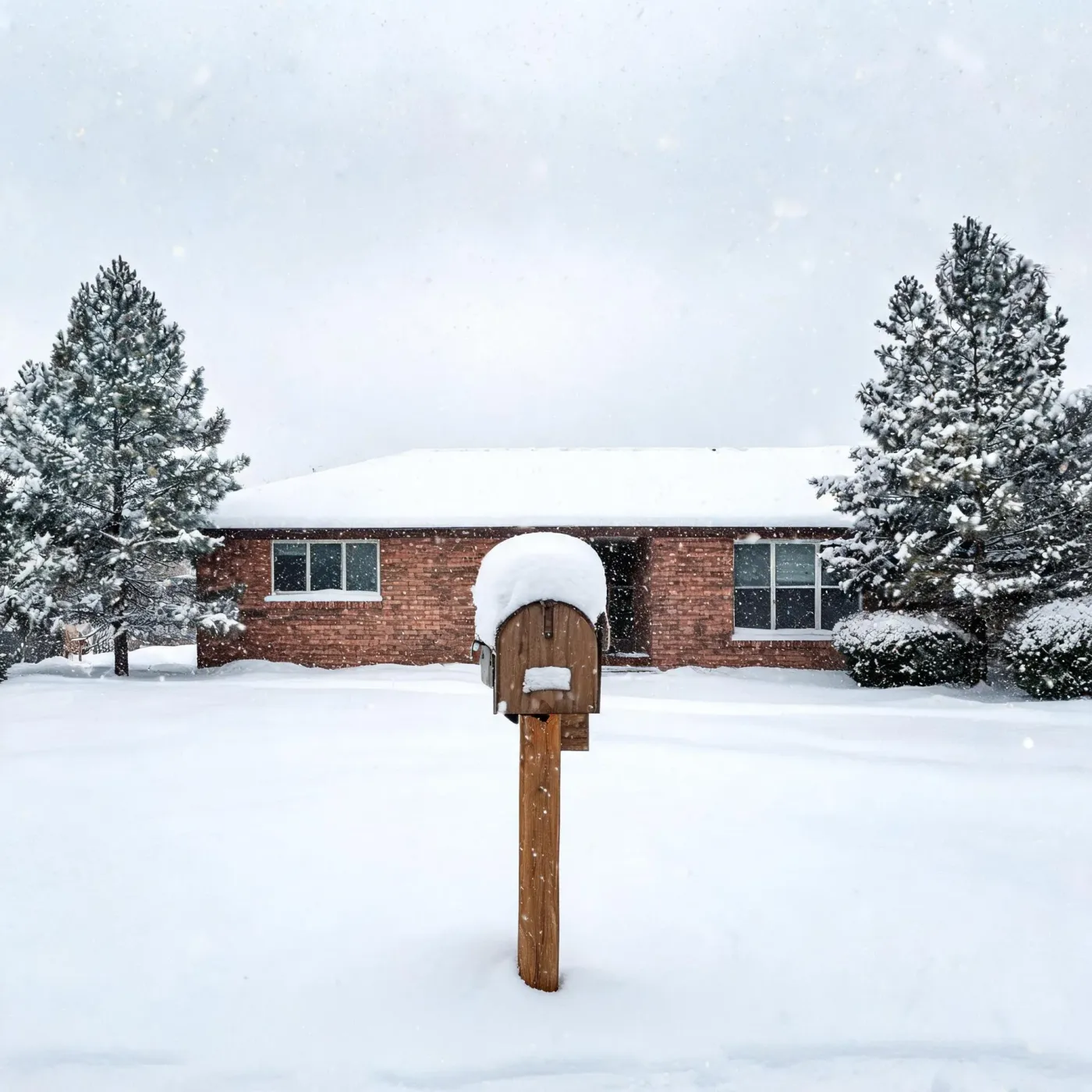
A snow-covered wooden mailbox on a post stands in a deep snowy yard in front of a single-story brick house flanked by snow-laden pine trees during falling snow.

Winter nights statewide average 27°F, per NOAA. That's cold enough that your furnace is running most of the night, not just kicking on now and then. More runtime means more cycles, and more cycles means more chances for a loose panel or a duct screw to work itself looser. If the rattle showed up once the cold settled in and hasn't let up since, that's why. A furnace running steady through a 27°F night will shake a loose fastener a lot harder than one that only runs an hour here and there.

NOAA nClimDiv 1991-2020 county normals weighted by homes

A dark high-efficiency furnace on a concrete pad in a basement, connected to galvanized ductwork, white PVC vent pipes, and copper and black gas piping, with concrete walls and wood framing nearby.
A furnace sitting right has its panels screwed down flush and its ductwork pulling clean off the cabinet, so the cycle starts and stops without anything to shake.
A gas furnace with a louvered upper panel stands on a concrete pad in a basement, flanked by sheet-metal ductwork, white PVC and metal pipes, and insulated columns.
A furnace in trouble shows a cabinet with a panel that's not seated right and a flex line that's come loose from the vibration, rattling louder each time the blower starts.

Call It In Now or Let It Ride

Call it in now

  • A panel that's buzzing on every cycle gets found and reseated before the screw holes wear out and stop holding it flush.
  • A loose duct screw gets snugged back down while it's still a screw and not a fitting that's worked itself out of the flex line.
  • You skip calling around and explaining the rattle more than once, since the contractor who shows up already knows what to check first.
  • A furnace that's cycling all night in a Kentucky winter gets quiet again instead of getting louder week over week.
  • Finding someone stops being your problem once the form goes in, and that's the part that actually takes time.

Let it ride

  • The rattle keeps shaking the same loose panel or screw every cycle, and vibration doesn't stop on its own.
  • A loose panel that buzzes today can work its way further off the cabinet by the time the weather turns cold.
  • Duct screws that back out gradually can let a flex connection pull loose instead of just rattling against the cabinet.
  • You're still on the hook for finding a contractor later, except now you're doing it with a furnace that's gotten worse.
  • Electric furnaces here cycle often through a long winter, so every night it runs adds more chances for the problem to spread.
A dim unfinished basement with concrete walls, exposed floor joists, a small window, and a furnace connected to metal ductwork and PVC venting.

It's gone dark outside by five thirty now, and the basement is colder than the rest of the house. The furnace sits quiet, off between cycles, a thin film of dust hanging in the air where the blower kicked it up a few minutes ago. You came down to check on that rattle again, the one that's been there every night this week. Nothing's running right now. No hum, no buzz, just the cabinet ticking faintly as it cools and a loose panel sitting a little crooked against the frame, waiting for the next cycle to start shaking it again.

Winter nights average 27°F statewide

At 27°F, your furnace isn't cycling off for long stretches. It's holding that heat most of the night, every night, for months. That's a lot of starts and stops for a panel or duct screw that's already working loose, and a lot of chances for the rattle to get worse before spring.

NOAA nClimDiv 1991-2020 county normals weighted by homes

What the rattle comes down to

  • A rattle almost always traces back to a loose panel or a duct screw that worked free from vibration.
  • Electric furnaces here cycle often through a long winter, and every cycle is another chance for the noise to get worse.
  • Left alone, a loose panel wears its screw holes and a loose duct fitting can pull apart entirely.
  • A technician can reseat a panel or snug a duct screw in one visit before either one turns into a bigger repair.
  • Finding that technician, checking who's licensed, and getting someone out is the part that normally costs you the most time.
  • Sending the form once replaces calling around and repeating the same description of the rattle to several contractors.

The rattle has one of two sources. A panel isn't sitting flush against the cabinet, or a duct screw worked loose from the vibration of the blower starting and stopping. That's it. Electric furnaces in Kentucky homes cycle often all winter, and each cycle is another chance for whatever's already loose to shake a little more. Left alone, the screw holes behind a loose panel wear out, and a loose duct fitting can eventually pull apart instead of just rattling.

None of that requires guesswork once someone's standing in front of the furnace. A technician can tell within a few minutes whether it's the panel, the ductwork, or something else making the noise, and reseating a panel or snugging a screw is a one-visit fix if it's caught before the fittings wear through.

The part that actually eats your time isn't the repair. It's finding someone to do it. Searching for a contractor, checking whether they're licensed, calling two or three to compare, then explaining the same rattle over again to each one, that's the work that piles up before anyone's even looked at your furnace. Sending the form once does the job all those calls would have done. You describe the rattle a single time, and the search for who to call stops being something you have to do yourself.

The furnace will still need the visit. That part doesn't change. What changes is whether you spend an evening tracking down a contractor or send one form and let that part be handled.

A dark wood cabinet with a paneled door and a ceramic pot of green foliage on top stands in a beige-walled room with white baseboard, a window at left, hardwood floor, and a patterned area rug.
A dark wood glass-front cabinet holding folded towels, woven baskets and a ceramic vase stands in a bathroom corner beside a window, with a potted fern and stacked towels on top and a freestanding tub partly visible at left.
A woven basket holding a green cushion and a cream fringed knit throw sits on a wood floor in a room corner beside a window and a dark wooden cabinet.
Corner of a room with a dark wood cabinet topped by a round vase, a linen curtain at a window, white baseboard, oak plank flooring with sunlight patches, and a woven jute rug in the foreground.
A dark wood sideboard against a pale wall holds a shallow stone bowl and a round ceramic vase with leafy branches, with sunlight from a curtained window falling across the wall, wood floor and woven rug.

Hand off the furnace problem

Answer a few questions instead of calling shop after shop.

Hand it off

Sending the form costs nothing.